
Introduction
Diabetes management requires consistent monitoring of blood glucose levels to prevent complications and maintain a healthy lifestyle. For millions of people in India living with diabetes or prediabetes, a blood sugar monitor has become an essential home healthcare device. Regular testing helps individuals understand how food, medication, exercise, and stress affect their glucose levels.
Modern devices such as blood glucose monitors (glucometers) and continuous glucose monitors (CGMs) allow users to track blood sugar levels more efficiently than ever before. While traditional glucometers require a small finger-prick sample, newer wearable technologies like CGM sensors and patches can monitor glucose levels continuously throughout the day.
However, choosing the best blood glucose monitor can be confusing because of different technologies, brands, accuracy levels, and price ranges available in India. This guide explains how blood sugar monitors work, who should use them, how often to test glucose levels, and what factors to consider before buying a device for home or hospital use.
Looking for an easy way to monitor your blood sugar at home?
Check our reliable glucometers here →
Shop Now...
What Is a Glucometer and How Does It Work?
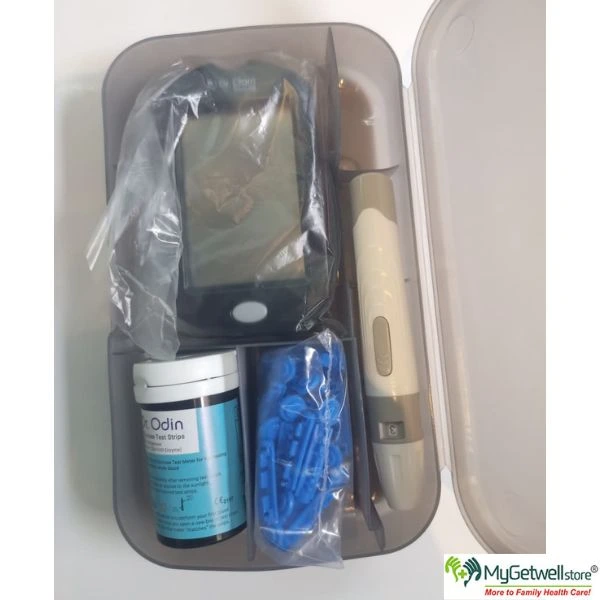
A glucometer is a compact electronic device that measures the concentration of glucose in a small sample of your blood. Most models work through the same basic mechanism: a test strip containing a special enzyme called glucose oxidase is inserted into the device. When a drop of blood touches the strip, the enzyme reacts with the glucose in the blood and sends an electronic signal to the monitor, which then displays your blood sugar level on the screen — typically within 5 to 10 seconds.
The reading is displayed in milligrams per decilitre (mg/dL), which is the standard unit used in India. Some internationally used devices may display readings in mmol/L — if yours does, simply multiply by 18 to convert to mg/dL.
The basic components of any glucometer kit include:
- The glucometer device — the monitor itself
- Test strips — single-use strips that you insert for each reading
- A lancing device — a small pen-like tool that holds a lancet (needle)
- Lancets — small, disposable needles used to prick the fingertip and draw a drop of blood
- A carry case — for storing and transporting the kit
Most kits also come with a user manual, a warranty card, and sometimes a small logbook or app access for tracking your readings over time.
Shop Now...
Types of Glucose Monitoring Devices
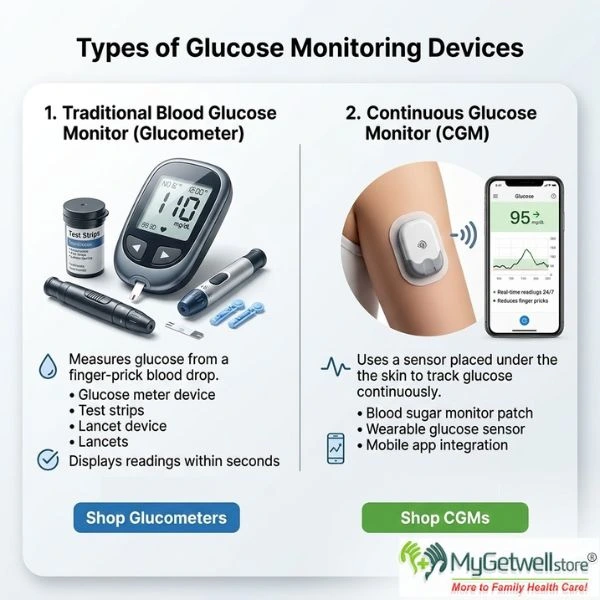
There are two main types of monitoring devices:
1. Traditional Blood Glucose Monitor (Glucometer)
A glucometer measures glucose using a small drop of blood obtained through a finger prick. The blood sample is placed on a disposable test strip inserted into the device.
Typical components include:
Glucose meter device
Test strips
Lancet device (for finger prick)
Lancets (small sterile needles)
The device displays blood glucose readings within seconds.
2. Continuous Glucose Monitor (CGM)
A continuous glucose monitor uses a small sensor placed under the skin (usually on the arm or abdomen). The sensor measures glucose levels in interstitial fluid and sends readings to a mobile app or receiver.
Many modern systems function as:
Blood sugar monitor patch
Wearable glucose sensor
Blood sugar monitor watch or app integration
CGMs provide real-time glucose tracking throughout the day and night.
Looking for an easy way to monitor your blood sugar at home?
Check our reliable glucometers here →
Shop Now...
Who Needs a Blood Sugar Monitor & When Is It Recommended?
Healthcare professionals commonly recommend blood glucose monitoring for the following groups:
People with Diabetes
Individuals diagnosed with:
Type 1 diabetes
Type 2 diabetes
Gestational diabetes
Monitoring helps evaluate how medication and diet affect glucose levels.
Patients Starting Diabetes Medication
Doctors may advise frequent monitoring to adjust dosage safely.
People with Prediabetes
Regular testing helps track lifestyle interventions.
Pregnant Women with Gestational Diabetes
Monitoring helps maintain safe glucose levels during pregnancy.
Patients Using Insulin Therapy
Insulin users often need multiple daily readings.
Caregivers & Home Healthcare Patients
Family members caring for elderly diabetic patients often rely on home glucose monitoring.
Shop Now...
How Often Should I Test My Blood Sugar with a Glucose Meter?
Testing frequency varies depending on treatment and doctor recommendations.
Common testing schedules include:
| Condition | Typical Testing Frequency |
|---|---|
| Type 1 diabetes | 4–10 times per day |
| Type 2 diabetes (insulin users) | 2–4 times daily |
| Type 2 diabetes (non-insulin) | Once or twice daily |
| Gestational diabetes | 4 times daily |
Always follow a healthcare professional’s instructions for monitoring frequency.
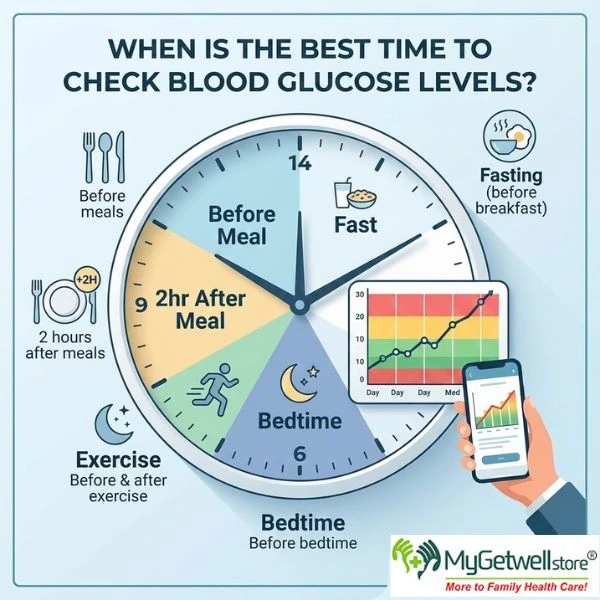
When Is the Best Time to Check Blood Glucose Levels?
Blood sugar levels change throughout the day based on meals, medication, and activity. Common testing times include:
Fasting (before breakfast)
Before meals
2 hours after meals
Before bedtime
Before and after exercise
Doctors often recommend maintaining a blood sugar monitor chart to track readings over time.
Understanding Your Blood Sugar Readings
Knowing how to read the numbers on your glucometer is just as important as taking the measurement itself. Here is a general reference guide for blood sugar levels in non-pregnant adults:
| Timing of Test | Normal (Non-Diabetic) | Prediabetes | Diabetes |
|---|---|---|---|
| Fasting (before meals) | Below 100 mg/dL | 100–125 mg/dL | 126 mg/dL or above |
| 2 hours after meals | Below 140 mg/dL | 140–199 mg/dL | 200 mg/dL or above |
Important note: These are general reference values. Your doctor may set personalised target ranges for you based on your age, type of diabetes, medications, and overall health. Always follow your doctor's specific guidance for what your readings should be and when to seek medical attention.
What to Do If Your Reading Is Very Low or Very High
If your reading is below 70 mg/dL (hypoglycaemia):
- Consume 15 grams of fast-acting carbohydrates immediately: glucose tablets, 100ml of fruit juice, or a teaspoon of sugar in water
- Wait 15 minutes and re-test
- If still below 70 mg/dL, repeat the process
- Once the reading stabilises, eat a small snack
- If you lose consciousness or cannot eat/drink: seek emergency medical help immediately
If your reading is above 250 mg/dL on multiple consecutive tests: Contact your doctor promptly. Do not adjust your insulin dose without medical guidance.
Shop Now...
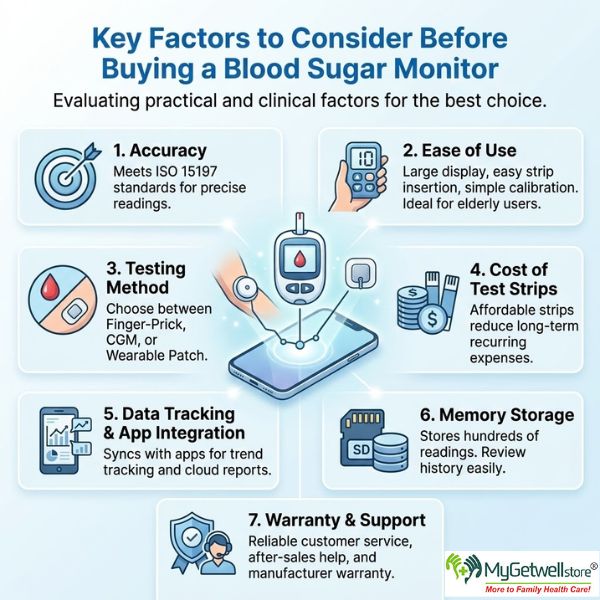
Key Factors to Consider Before Buying a Blood Sugar Monitor
Choosing the best blood sugar monitor requires evaluating several practical and clinical factors.
Accuracy
Look for devices that meet international standards such as ISO 15197 accuracy guidelines.
Ease of Use
Important features include:
Large display
Easy test strip insertion
Simple calibration process
This is particularly important for elderly users.
Testing Method
Choose between:
Finger-prick glucometer
Continuous glucose monitor
Wearable blood sugar monitor patch
Cost of Test Strips
Test strips are recurring expenses. Affordable strips can reduce long-term costs.
Data Tracking & App Integration
Many modern devices connect to:
Blood sugar monitor apps
Smartphones
Cloud storage systems
This helps track trends and share reports with doctors.
Memory Storage
Some glucometers store hundreds of readings.
Warranty & Support
Reliable devices should include:
Manufacturer warranty
After-sales service
Customer support availability
How Often Should You Test?
The frequency of blood sugar testing depends on your type of diabetes and the advice of your healthcare provider. As a general guide:
- Type 1 diabetes: Several times daily — before meals, after meals, before and after exercise, and at bedtime.
- Type 2 diabetes on insulin: Usually before meals and at bedtime, or as directed.
- Type 2 diabetes managed through diet and oral medication: Once daily or a few times per week, at varying times, to understand patterns. Your doctor will advise based on your specific situation.
- Prediabetes or lifestyle monitoring: Periodic testing (such as fasting readings a few times a week) can help you understand how diet and exercise are working.
Shop Now...

Best Blood Sugar Monitor for Home and Hospital Use in India
Different devices serve different monitoring needs. Below is a general comparison of common monitoring technologies.
| Device Type | Best For | Advantages |
|---|---|---|
| Basic glucometer | Home testing | Affordable and easy to use |
| Advanced glucometer with app | Frequent monitoring | Data tracking and mobile sync |
| Continuous glucose monitor | Intensive diabetes care | Real-time glucose trends |
| Wearable CGM patch | Active lifestyle users | Continuous monitoring without repeated pricks |
For buyers exploring options, reviewing blood glucose monitor categories and home diabetes testing devices can help identify suitable models.
Trusted global brands often manufacture glucose monitoring systems that meet international medical standards.
Blood Sugar Monitor Without Finger Pricks: Is It Possible?
Many people search for blood sugar monitors without finger pricks. These are typically continuous glucose monitoring systems.
However, important points include:
CGMs measure glucose in interstitial fluid, not directly from blood.
Some systems may require initial finger-prick calibration.
CGMs provide trend data and alerts rather than isolated readings.
Newer technologies, including blood sugar monitor wearables and patches, are improving comfort and convenience for users.
Shop Now...

CGM vs Glucometer: What’s the Difference?
| Feature | Glucometer | Continuous Glucose Monitor |
|---|---|---|
| Testing method | Finger prick | Sensor under skin |
| Monitoring | Single reading | Continuous tracking |
| Data frequency | Manual testing | Every few minutes |
| Alerts | No | Yes (high/low glucose alerts) |
| Cost | Lower | Higher |
Both technologies may be used together depending on treatment needs.
Blood Sugar Monitor Price Range in India
Prices vary depending on technology and brand.
Glucometer Price
Basic devices: ₹600 – ₹1,500
Advanced devices: ₹1,500 – ₹3,000
Test Strips
₹500 – ₹1,500 per pack depending on brand
Continuous Glucose Monitors (CGM)
Sensor systems: ₹4,000 – ₹10,000+
Monthly sensor replacement may be required.
Insurance coverage for CGMs in India is still limited but may be available through some private policies.
How to Check Blood Sugar at Home with Finger Prick
Follow safe testing steps:
Wash hands with soap and warm water.
Insert a test strip into the glucometer.
Use a sterile lancet to prick the fingertip.
Place a drop of blood on the test strip.
Wait for the device to display the glucose reading.
Dispose of lancets safely after each use.
Looking for an easy way to monitor your blood sugar at home?
Check our reliable glucometers here →
Shop Now...

How to Prevent Infection from Finger Pricks
Maintaining hygiene is essential during glucose testing.
Safety tips include:
Always use new sterile lancets
Clean hands before testing
Avoid sharing lancet devices
Store testing supplies in clean containers
Proper technique helps reduce infection risk.
Safety, Certification & Medical Compliance
When purchasing a blood glucose monitor, ensure the device meets recognized safety standards.
Important certifications include:
ISO 15197 accuracy compliance
CE certification
FDA clearance (for some imported devices)
Medical-grade devices should also include:
Clear instructions for use
Warranty information
Reliable customer support
Hospitals and clinics often prioritize devices that meet global regulatory standards.
What Factors Affect Blood Glucose Monitor Accuracy?
Several factors can influence readings:
Improper test strip storage
Expired strips
Incorrect blood sample size
Extreme temperatures
Dehydration
Poor calibration
Using the correct testing technique improves reliability.
How Often Should You Test?
The frequency of blood sugar testing depends on your type of diabetes and the advice of your healthcare provider. As a general guide:
- Type 1 diabetes: Several times daily — before meals, after meals, before and after exercise, and at bedtime.
- Type 2 diabetes on insulin: Usually before meals and at bedtime, or as directed.
- Type 2 diabetes managed through diet and oral medication: Once daily or a few times per week, at varying times, to understand patterns. Your doctor will advise based on your specific situation.
- Prediabetes or lifestyle monitoring: Periodic testing (such as fasting readings a few times a week) can help you understand how diet and exercise are working.
CGM Alerts: What Do High or Low Glucose Alarms Mean?
Continuous glucose monitors often include alert systems.
Common alarms include:
High glucose alert – indicates rising blood sugar levels
Low glucose alert – warns of potential hypoglycemia
Rapid change alerts – notify sudden fluctuations
These alerts allow users to take timely action such as eating, adjusting insulin, or consulting healthcare professionals.
Expert Review: Medical Advisory Note
Blood glucose monitoring is a cornerstone of diabetes management. Accurate and regular monitoring helps patients understand how lifestyle and medication affect glucose levels.
Healthcare professionals generally recommend selecting devices that:
Meet recognized international standards
Provide consistent accuracy
Are easy to use for daily monitoring
Patients should consult their doctor to determine the most appropriate monitoring method and testing frequency based on their medical history.
FAQs
Which blood glucose monitor is best for beginners?
Beginners typically prefer glucometers with:
Large displays
Pre-calibrated strips
Minimal setup steps
Ease of use is often more important than advanced features for first-time users.
What is the most accurate blood sugar monitor?
Devices that comply with ISO 15197 standards and are manufactured by reputable medical device companies generally offer reliable accuracy when used correctly.
Can I check my blood sugar without pricking my finger?
Yes, continuous glucose monitors (CGMs) can track glucose levels using a wearable sensor. However, some systems may still require occasional finger-prick calibration.
Do CGMs share data with family or doctors?
Many CGM systems connect to mobile apps that allow users to share glucose data with caregivers or healthcare providers for remote monitoring.
Should I switch to a CGM if I have diabetes?
CGMs may benefit individuals who:
Require frequent monitoring
Experience fluctuating glucose levels
Use insulin therapy
A healthcare professional can help determine if CGM technology is suitable.
Internal Reading Suggestions
Readers may also find the following resources helpful:
Exploring related product categories and comparison guides can help buyers make informed decisions.
About the Author
This article was prepared by a healthcare equipment content specialist with experience in medical device research and healthcare eCommerce in India. The content is reviewed using publicly available clinical guidelines, diabetes management recommendations, and medical device safety standards to ensure accuracy and reliability.
Medical Disclaimer
This content is for informational purposes only and does not replace professional medical advice. Always consult a qualified healthcare professional before using any medical device or starting a new health monitoring routine.