
Back pain is one of the most common health complaints in India, affecting office workers, homemakers, elderly patients, and athletes alike. Whether your discomfort stems from muscle stiffness, poor posture, or a chronic condition, a heating pad for back pain is one of the most widely recommended home-care solutions by physiotherapists and orthopedic specialists.
In this guide, we cover everything you need to know about heat therapy for back pain — how it works, when to use it, safety guidelines, and how to choose the right product for your needs.
Medical Disclaimer: This content is for informational purposes only and does not replace professional medical advice. Always consult a qualified healthcare professional before use.
How Heat Therapy Works for Muscle Pain
Heat therapy, also known as thermotherapy, works by increasing blood circulation to the targeted area. When you apply a heating pad to your lower back, the warmth causes blood vessels to dilate, which promotes the flow of oxygen and nutrients to stiff or injured muscle tissue.
This process helps in several ways:
- Relaxes tight muscles by reducing muscle spasm and tension
- Improves tissue flexibility, making it easier to move
- Reduces pain signals sent to the brain by stimulating heat receptors in the skin
- Flushes out metabolic waste such as lactic acid that accumulates during physical activity
According to widely accepted physiotherapy guidelines, moist heat (such as from a well-designed electric heating pad) tends to penetrate deeper into muscle tissue compared to dry heat sources like a regular hot water bag. This makes modern electric heating pads a commonly preferred option for sustained, controlled heat therapy.
Feel Instant Warmth & Comfort at Home Shop Now...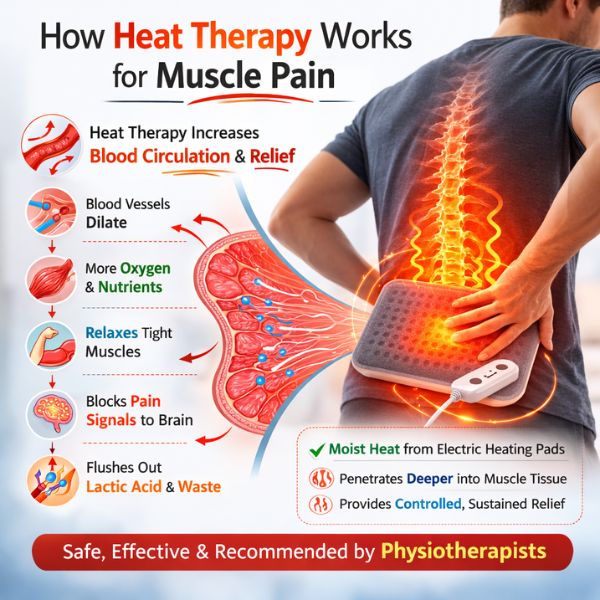
Top Benefits of Heating Pad for Lower Back Pain
Using a heating pad regularly, as part of a guided home-care routine, is associated with several clinically recognized benefits:
1. Relieves Muscle Stiffness and Soreness Prolonged sitting, heavy lifting, or strenuous exercise can leave the lower back muscles sore and inflexible. Applying heat for 15 to 20 minutes helps loosen these muscles and restore comfort.
2. Reduces Chronic Lower Back Discomfort For individuals managing chronic lower back conditions, consistent use of heat therapy is a commonly recommended non-pharmacological approach. It is often used alongside physiotherapy and prescribed exercises.
3. Supports Recovery from Minor Muscle Strain Heat encourages the healing process in minor soft tissue injuries by improving circulation and reducing localized stiffness — though it should not be applied immediately after an acute injury (see the heat vs. ice section below).
4. Helpful for Sciatica-Related Muscle Tension While sciatica originates from nerve compression, the associated muscle tension and spasms in the lower back can be eased with heat therapy. It is important to consult a physiotherapist before using a heating pad for sciatica.
5. Provides Comfort During Menstrual-Related Back Pain Many women experience lower back pain alongside menstrual cramps. A heating pad placed on the lower back or abdomen is a widely used and well-tolerated remedy for temporary comfort during this time.
6. Useful for Office Workers and Desk-Based Professionals Prolonged desk work often leads to postural back pain. A portable heating pad used during breaks can help manage daily muscle fatigue without medication.
Feel Instant Warmth & Comfort at Home Shop Now...Browse our complete range of [orthopedic and pain relief products] to find solutions suited to your lifestyle.
When Should You Use a Heating Pad?
Knowing when to apply heat is as important as knowing how to use it. Heat therapy is generally recommended in the following situations:
- Chronic back pain lasting more than 72 hours
- Muscle stiffness upon waking or after long periods of inactivity
- Tension and tightness from stress or poor posture
- Post-exercise muscle soreness (delayed onset muscle soreness, or DOMS)
- Menstrual back pain for temporary symptomatic relief
- Stiffness associated with arthritis in the spine (under medical guidance)
When NOT to use a heating pad:
- Immediately after a fresh injury or trauma (first 48 to 72 hours)
- On open wounds, rashes, or broken skin
- On areas with reduced sensation (such as diabetic neuropathy patients)
- During pregnancy, without prior medical advice
- While sleeping, unless the device has an automatic shut-off feature
Heat vs Ice for Back Pain – Which Is Better?
This is one of the most frequently asked questions by patients. The answer depends on the type and stage of your back pain.
| Condition | Recommended Treatment |
|---|---|
| Fresh injury or acute inflammation (0–48 hrs) | Ice / Cold therapy |
| Muscle spasm and tension | Heat therapy |
| Chronic lower back pain | Heat therapy |
| Post-surgical swelling | Cold therapy (as advised by surgeon) |
| Stiff joints and reduced flexibility | Heat therapy |
| Bruising or swelling | Cold therapy |
The general rule: Use ice for new, acute injuries to reduce swelling and inflammation. Use heat for chronic pain, muscle stiffness, and tension that has persisted beyond 72 hours.
Some physiotherapists recommend alternating between heat and cold (contrast therapy) for certain conditions, but this should only be done under professional guidance.
Explore our [cold therapy and ice packs collection] alongside our heating pads for a complete pain management approach.
How Long Should You Use a Heating Pad?
Proper duration and frequency are critical for safe and effective heat therapy. The following are general usage guidelines:
- Standard session: 15 to 20 minutes per session is widely recommended for most adults
- Maximum duration: Do not exceed 30 minutes in a single session without a break
- Frequency: 2 to 3 sessions per day, with adequate rest intervals between sessions
- Protective layer: Always place a thin cloth between the heating pad and your skin to prevent burns, particularly if using higher heat settings
Can you use a heating pad daily? For chronic back pain management, daily use under the guidance of a healthcare provider is generally considered safe, provided that the device has proper temperature controls and you follow the recommended session duration. However, long-term daily use without a medical review is not recommended as a substitute for treating the underlying cause.
Can you sleep with a heating pad on your back? Most healthcare professionals advise against sleeping with a heating pad, as prolonged unmonitored heat application can cause burns or skin irritation. If you need nighttime relief, choose a device with an automatic 30-minute shut-off timer.
Feel Instant Warmth & Comfort at Home Shop Now...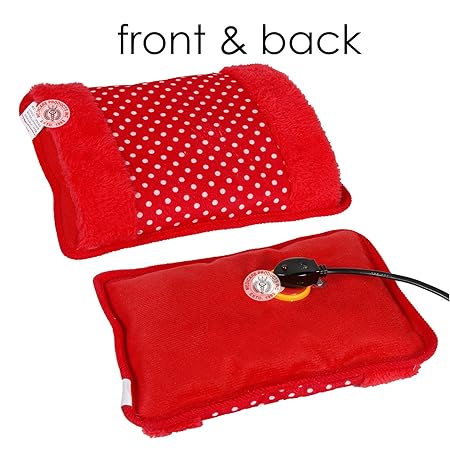
Best Electric Heating Pads for Back Pain
With a wide range of products available online, selecting the right heating pad for back pain can be overwhelming. Here is what to look for when making your purchase in India.
Key Features to Consider
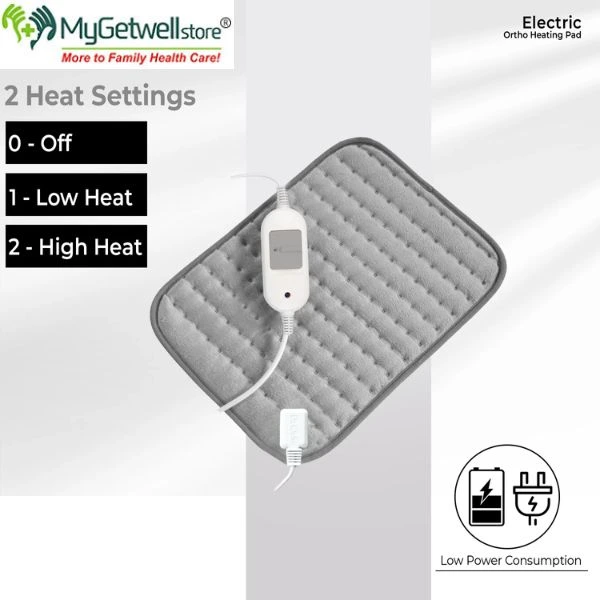
Temperature Control Look for a heating pad with multiple temperature settings (typically 3 to 6 levels). This allows you to adjust the heat intensity based on your comfort and specific condition.
Size and Coverage Area For lower back pain, a pad measuring at least 30 x 60 cm provides adequate coverage. Larger orthopedic heating pads cover both the lumbar and mid-back regions.
Moist vs. Dry Heat Options Some advanced heating pads offer a moist heat setting, which is generally considered more effective for deep muscle penetration than dry heat.
Auto Shut-Off Timer This is a critical safety feature, especially for elderly users or those who may fall asleep during use.
Cord Length and Portability A longer cord (1.5 to 2 metres) provides flexibility for use on a bed or chair.
Certifications When buying a heating pad in India, look for products certified by recognized bodies. CE-marked and ISO-compliant devices follow established safety and manufacturing standards. Some brands also carry BIS certification for the Indian market.
Warranty and After-Sales Support Reputable brands typically offer a minimum of 1-year warranty on heating pads. Ensure the seller provides genuine after-sales support and spare parts availability.
Comparison: Electric Heating Pad vs. Hot Water Bag
| Feature | Electric Heating Pad | Hot Water Bag |
|---|---|---|
| Temperature control | Adjustable (multi-level) | Not adjustable |
| Ease of use | Plug and use | Requires hot water preparation |
| Duration of heat | Sustained (continuous) | Reduces over time |
| Risk of burns | Low (with auto shut-off) | Moderate (if overfilled or leaking) |
| Portability | Cord-dependent | Fully portable |
| Suitable for daily use | Yes | Yes |
| Price range (India) | Rs. 600 – Rs. 3,000+ | Rs. 100 – Rs. 500 |
Compare and [shop electric heating pads online] with price filters, brand options, and COD availability on our store.
Trusted Brands Available in India
When purchasing a heating pad online, consider established brands known for medical-grade build quality, proper insulation, and reliable temperature regulation. Many products in this category are available with cash on delivery (COD) and easy returns.
Check out our [heating pad category page] for curated options across all budgets, including products under Rs. 1,000.
Medical Advisory Note
The usage guidelines and health information presented in this article are based on widely accepted physiotherapy and clinical practice recommendations. Heat therapy is a well-established non-pharmacological approach for managing musculoskeletal pain.
However, every individual's condition is different. If you are managing a diagnosed spinal condition such as a herniated disc (slipped disc), spinal stenosis, or sciatica, please consult your orthopedic specialist or physiotherapist before beginning any home heat therapy routine. Self-treatment should complement, not replace, professional medical care.
Frequently Asked Questions
Is a heating pad good for back pain?
Yes, a heating pad is widely recommended by physiotherapists and general practitioners for managing chronic muscle-related back pain, stiffness, and tension. It is not suitable for acute injuries or inflammation in the first 48 to 72 hours.
How does a heating pad help with back pain?
It increases blood circulation to the affected area, relaxes tight muscles, reduces pain signals, and improves tissue flexibility — all of which contribute to reduced discomfort and improved mobility.
Can I use a heating pad for sciatica?
Heat therapy may help relieve muscle tension associated with sciatica, but it does not address the underlying nerve compression. Consult a physiotherapist or orthopedic specialist for a comprehensive treatment plan.
How many minutes should I use a heating pad on my back?
A session of 15 to 20 minutes is generally recommended. Do not exceed 30 minutes in a single session without taking a break.
Is it safe to use a heating pad every day?
Daily use for chronic pain management is considered generally safe when done correctly — using appropriate temperature settings, limiting session duration, and following medical guidance. Avoid using it as a long-term substitute for addressing the root cause.
What is the price of a heating pad in India?
Electric heating pads are available in India starting from approximately Rs. 500 to Rs. 600 for basic models, with advanced orthopedic pads with temperature control and auto shut-off available in the Rs. 1,200 to Rs. 3,000 range.
Is a heating pad better than a hot water bag for back pain?
Electric heating pads offer more consistent temperature control, sustained heat over a longer duration, and typically include safety features like auto shut-off — making them a more reliable option for regular back pain management compared to a traditional hot water bag.
Can a heating pad help with a slipped disc?
Heat therapy may provide temporary comfort for muscle spasms associated with a slipped disc, but it should not be used as the primary treatment. A slipped disc requires proper medical diagnosis and a treatment plan developed by an orthopedic specialist.
About the Author
This article was written and reviewed by the medical content team at [Your Store Name], a trusted online destination for healthcare and medical equipment in India. Our content is developed in consultation with practicing physiotherapists and healthcare professionals, with a focus on providing accurate, actionable, and safe guidance for home-care patients, caregivers, and healthcare buyers.
We are committed to maintaining EEAT (Experience, Expertise, Authoritativeness, and Trustworthiness) standards in all our healthcare content, ensuring that every recommendation is grounded in established clinical practice.
Related Reading:
Last updated: 2025 | Reviewed by the Healthcare Content Team
This content is for informational purposes only and does not replace professional medical advice. Always consult a qualified healthcare professional before use.