
Introduction
Low oxygen levels in the blood, also called Hypoxemia, can affect how the body and brain function. When oxygen saturation drops below the normal range, the body may show several early warning signs.
Recognizing these symptoms early can help prevent serious health complications.
In India, where respiratory illnesses, air pollution, and post-COVID complications are prevalent, the ability to recognize these signs quickly — and respond with the right monitoring equipment — can make a meaningful difference in patient outcomes.
This guide covers the clinical warning signs, safe monitoring practices, and the medical devices commonly recommended to help you or your loved one stay safe.
Monitor Your Oxygen Level at Home Shop Now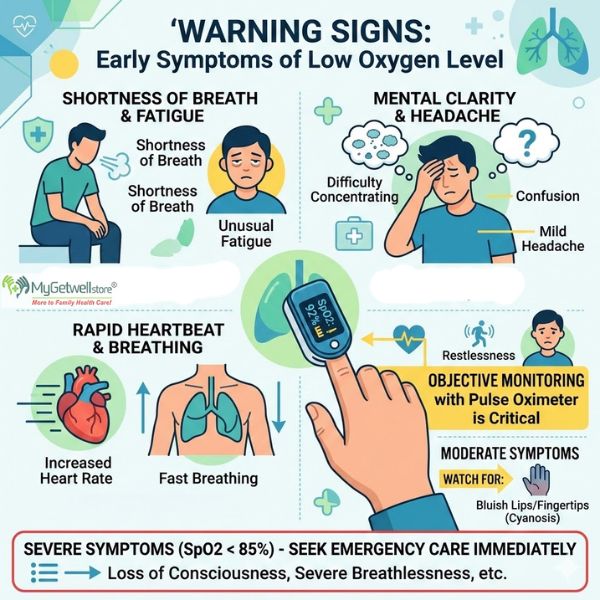
Quick Signs of Low Oxygen Levels
Common early symptoms include:
• Shortness of breath
• Rapid heartbeat
• Fatigue or weakness
• Headache
• Confusion
• Bluish lips or fingertips
If these symptoms appear suddenly or worsen, it may indicate that oxygen levels are falling.
Normal Oxygen Level in Adults
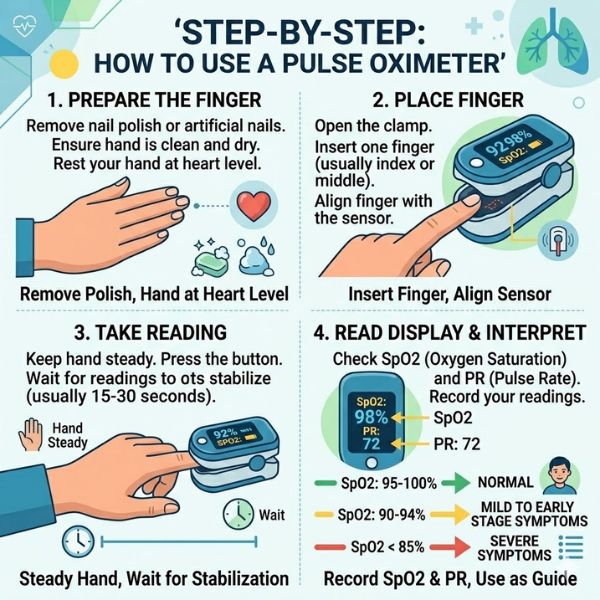
Blood oxygen levels are usually measured using a device called a Pulse Oximeter.
Oxygen Level Chart
| SpO2 Level | Condition |
|---|---|
| 95% – 100% | Normal |
| 91% – 94% | Slightly low |
| Below 90% | Medical emergency |
Monitoring oxygen levels regularly can help detect potential issues early.
What Is Low Blood Oxygen (Hypoxia)?
Blood oxygen saturation (SpO2) refers to the percentage of hemoglobin in your blood carrying oxygen. For a healthy adult, a normal oxygen level falls between 95% and 100% on a pulse oximeter reading.
When SpO2 drops below 95%, it may indicate the early onset of hypoxemia (low oxygen in the blood). When it falls below 90%, it is generally considered a medical emergency that requires prompt clinical attention.
Hypoxia can occur silently — sometimes with few obvious symptoms at first — which is why monitoring at home using a reliable pulse oximeter is strongly recommended for at-risk individuals.
Who Needs Oxygen Monitoring and When Is It Recommended?
Low oxygen levels are not limited to any single condition. The following groups are commonly advised by physicians to monitor their SpO2 regularly:
- Adults with Chronic Obstructive Pulmonary Disease (COPD) or asthma
- Patients recovering from COVID-19 or viral pneumonia
- Individuals with heart failure or cardiovascular disease
- Elderly adults over 60 with any respiratory history
- Patients with sleep apnea
- Anyone residing at high altitudes (above 2,500 meters)
- Post-surgical patients during home recovery
If you or someone in your care falls into any of these categories, your doctor may recommend routine SpO2 monitoring and, in some cases, supplemental oxygen therapy at home.
Monitor Your Oxygen Level at Home Shop Now
Early Symptoms of Low Oxygen Level in Adults: Warning Signs to Know
Recognizing the early symptoms of low oxygen level in adults is critical for timely intervention. These symptoms can appear gradually or suddenly depending on the underlying cause.
Mild to Early-Stage Symptoms (SpO2: 90–94%)
- Persistent shortness of breath, even at rest or with mild activity
- Unusual fatigue or weakness without clear cause
- Mild headache, especially upon waking
- Difficulty concentrating or mental confusion
- Rapid or shallow breathing
- Increased heart rate (the body compensating for low oxygen)
- Restlessness or a general sense of unease
Moderate Symptoms (SpO2: 85–90%)
- Visible difficulty breathing
- Bluish discoloration of lips or fingertips (cyanosis)
- Chest tightness or pain
- Worsening confusion or disorientation
- Skin that appears pale, grayish, or mottled
Severe Symptoms — Seek Emergency Care Immediately (SpO2 below 85%)
- Loss of coordination or inability to stand
- Severe breathlessness or inability to complete sentences
- Loss of consciousness or fainting
- Very rapid or irregular heartbeat
A note on "silent hypoxia": During the COVID-19 pandemic, many patients — particularly those with moderate infections — reported dangerously low SpO2 readings without feeling proportionally unwell. This phenomenon, sometimes called "happy hypoxia," underscores the importance of objective monitoring with a pulse oximeter rather than relying on subjective symptoms alone.
Key Factors to Consider Before Buying Oxygen Monitoring Equipment
Before purchasing any home oxygen or monitoring device, consider the following:
- Accuracy of the device: Look for devices with clinically validated accuracy, particularly for SpO2 readings in the 70–100% range
- Display clarity: Large, easy-to-read displays are important for elderly users or low-light situations
- Battery life and portability: For continuous or frequent monitoring, battery longevity matters
- Alarm features: Some oximeters alert the user when SpO2 drops below a set threshold — a useful safety feature for overnight monitoring
- Certifications: Prioritize devices certified by CE, FDA (US), or those compliant with ISO 80601-2-61 (the international standard for pulse oximeters)
- Compatibility with your use case: Home monitoring requires different equipment than hospital-grade oxygen therapy; understand your clinical need before purchasing
- After-sales support and warranty: Choose brands that offer a minimum one-year warranty and accessible customer service in India
- Doctor's recommendation: For oxygen concentrators or cylinders, always follow a physician's prescription
Recommended Products for Low Oxygen Management at Home in India
Depending on the severity of low oxygen and the physician's advice, the following categories of medical equipment are commonly used:
Pulse Oximeters
A fingertip pulse oximeter is the first line of home monitoring for SpO2. Trusted brands available in India include Contec, Niscomed, Nonin, and Dr. Trust. These devices are compact, affordable, and designed for regular home use. Explore our [pulse oximeter collection] to compare models suited for adults, elderly patients, and clinical settings.
Oxygen Concentrators
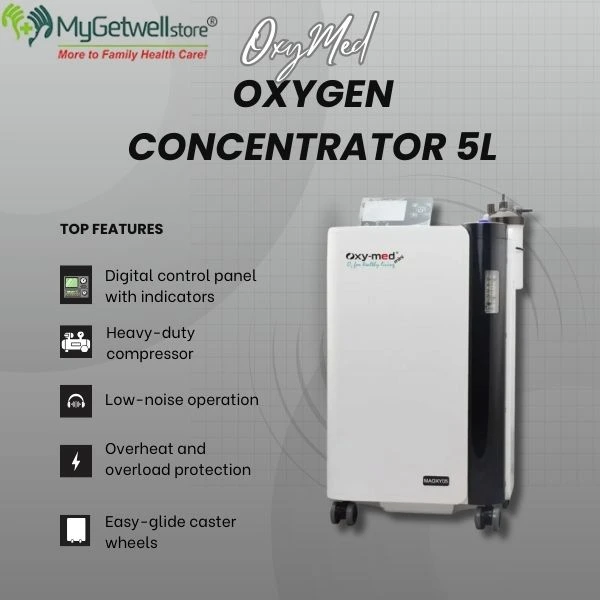
For patients requiring continuous or supplemental oxygen therapy at home, an oxygen concentrator is often prescribed. These devices extract oxygen from ambient air and deliver it through a nasal cannula. Brands such as Philips Respironics, Invacare, and DeVilbiss are commonly recommended in Indian healthcare settings. Check our [home oxygen concentrator range] for options across 1-litre to 10-litre flow capacities.
Portable Oxygen Cylinders
For patients who need mobility or emergency oxygen backup, portable oxygen cylinders are a practical choice. They are available in various sizes and are suitable for travel, home use, and clinic backup. Browse our [portable oxygen cylinder options] for cylinders with regulator sets and carrying accessories.
Monitor Your Oxygen Level at Home Shop Now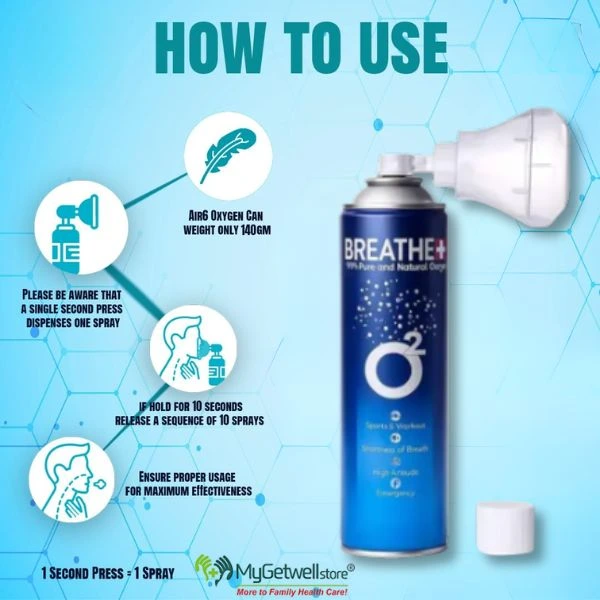
Price Range of Oxygen Equipment in India (2025)
| Equipment Type | Approximate Price Range (INR) |
|---|---|
| Fingertip Pulse Oximeter | Rs. 500 – Rs. 3,500 |
| Tabletop / Handheld Oximeter | Rs. 3,500 – Rs. 12,000 |
| Oxygen Concentrator (Home, 5L) | Rs. 30,000 – Rs. 80,000 |
| Portable Oxygen Cylinder (Set) | Rs. 4,000 – Rs. 18,000 |
| Oxygen Cylinder Refill | Rs. 250 – Rs. 800 per refill |
Prices vary by brand, features, and supplier. Always verify current pricing on the product page before purchasing.
[Check current prices on our medical equipment store]
Safety, Certification and Medical Compliance
When purchasing oxygen-related medical equipment in India, compliance and certification are non-negotiable factors.
- CE Marking indicates that the device meets European safety, health, and environmental protection standards — commonly accepted as a benchmark in Indian medical procurement
- FDA 510(k) clearance (US Food and Drug Administration) is a mark of clinical reliability, particularly for pulse oximeters
- ISO 13485 certification applies to manufacturers of medical devices and indicates a quality management system aligned with international standards
- BIS (Bureau of Indian Standards) certification is relevant for devices sold in India and is increasingly required for medical imports
For oxygen concentrators and cylinders used at home, always confirm the following with your supplier: device warranty (minimum one year for concentrators), service and maintenance availability in your city, and whether the device is cleared for the prescribed oxygen flow rate by your doctor.
Medical Advisory Note
Reviewed for medical accuracy by our clinical content team in consultation with respiratory care guidelines from the Indian Council of Medical Research (ICMR) and WHO oxygen therapy recommendations. This article reflects general educational content and should not be used as a substitute for clinical diagnosis or treatment.
If you notice any of the symptoms described in this article — particularly a sustained SpO2 reading below 92% — please contact your doctor or visit the nearest emergency facility promptly.
Frequently Asked Questions
1. What is a normal oxygen level for adults?
For healthy adults, a normal SpO2 reading is between 95% and 100%. Readings between 92% and 94% may warrant monitoring or medical review, while anything below 90% is generally treated as a medical emergency.
2. What happens when oxygen level drops below 90%?
When SpO2 falls below 90%, the body's organs — particularly the brain and heart — begin to receive insufficient oxygen. Symptoms can include severe breathlessness, confusion, cyanosis (blue lips or fingertips), and in serious cases, loss of consciousness. Immediate medical attention is recommended.
3. How can I check oxygen level at home without a device?
Without a pulse oximeter, you can watch for indirect signs such as unusual shortness of breath, persistent rapid breathing, unexplained confusion, or bluish lips. However, these signs are not a reliable substitute for objective SpO2 measurement. A pulse oximeter is the recommended tool for at-home monitoring.
4. When should I go to the hospital for low oxygen?
You should seek emergency care if your SpO2 reading is consistently below 90%, if you are experiencing severe shortness of breath at rest, chest pain, confusion, or if a family member becomes unresponsive. Do not wait for symptoms to worsen.
5. Can low oxygen levels be improved at home?
Mild oxygen dips in some situations may respond to controlled deep breathing exercises or repositioning (such as lying on your stomach — prone positioning — as advised for COVID patients). However, if low oxygen levels persist or worsen, this requires medical evaluation. Self-administered supplemental oxygen should only be used under a physician's guidance.
6. Are pulse oximeters accurate for all skin tones?
Research has noted that certain pulse oximeter models may be less accurate for individuals with darker skin tones. When selecting a device, look for models that have been clinically validated across diverse skin tones or consult your healthcare provider for a recommendation.
About the Author
This article was written by the Medical Content Team at MyGetWellStore, comprising healthcare writers and clinical reviewers with backgrounds in respiratory care, medical device regulation, and patient education. Our content is developed in alignment with EEAT guidelines and reviewed against current clinical literature to ensure accuracy and trustworthiness for patients, caregivers, and medical professionals across India.
For questions about specific products or clinical suitability, we recommend consulting your treating physician or contacting our support team.
Related Reading:
- [How to Choose the Right Pulse Oximeter for Home Use]
- [Oxygen Concentrator vs Oxygen Cylinder: Which Is Right for You?]
This content is for informational purposes only and does not replace professional medical advice. Always consult a qualified healthcare professional before use.
Medical Disclaimer: This content is for informational purposes only and does not replace professional medical advice. Always consult a qualified healthcare professional before purchasing or using any medical equipment.