
Table of Contents
- What is a Portable Oxygen Can?
- How Does Portable Oxygen Can Work?
- Portable Oxygen Can for High Altitude Trekking in India
- 10 Science-Backed Benefits of Portable Oxygen Cans
- Who Needs a Portable Oxygen Can?
- How to Use Portable Oxygen Can Properly
- Portable Oxygen Can vs Oxygen Cylinder: Which is Better?
- Oxygen Can Price in India: Complete Buying Guide
- Where to Buy Portable Oxygen Can Near Me?
- Best Portable Oxygen Can Brands in India
- Safety Guidelines & Precautions
- Frequently Asked Questions
What is a Portable Oxygen Can? Complete Overview
A portable oxygen can (also called canned oxygen, recreational oxygen, or supplemental oxygen can) is a lightweight, ready-to-use canister filled with 95-99% pure oxygen designed for on-the-go respiratory support. Unlike bulky medical oxygen cylinders that require prescriptions and regular refills, portable oxygen cans are over-the-counter wellness products available for immediate use.
In India, portable oxygen cans have become increasingly essential, especially after the COVID-19 pandemic highlighted the importance of emergency oxygen access. These compact oxygen sources are now widely used by trekkers visiting high-altitude destinations like Ladakh and Manali, athletes seeking performance enhancement, pollution-affected urban residents, and travelers preparing for emergencies.
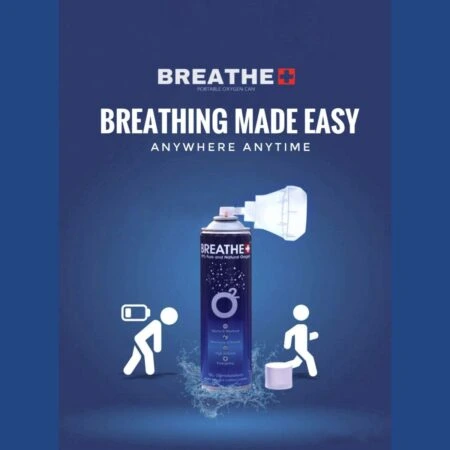
Key Features of Portable Oxygen Cans:
- Purity Level: 95-99% pure oxygen (vs 21% in ambient air)
- Capacity: Typically 5L, 10L, 12L, or 18L per can
- Weight: Ultra-lightweight (120-200 grams) for easy portability
- Breaths Per Can: 100-250 inhalations depending on size
- No Prescription Required: Available OTC for recreational use
- Shelf Life: 18-24 months from manufacturing date
- Built-in Delivery System: Comes with mask or mouthpiece
Important Distinction: Portable oxygen cans are designed for recreational and wellness use, not as medical devices. They provide temporary supplemental oxygen for healthy individuals in specific situations. For chronic respiratory conditions requiring medical oxygen therapy, consult a healthcare professional for prescription oxygen equipment.
How Portable Oxygen Cans Are Different from Medical Oxygen Cylinders:
| Feature | Portable Oxygen Can | Medical Oxygen Cylinder |
|---|---|---|
| Purpose | Recreational/wellness supplemental oxygen | Medical therapy for respiratory conditions |
| Prescription | No prescription needed | Prescription required |
| Weight | 120-200 grams | 3-50 kg |
| Portability | Fits in backpack/handbag | Requires trolley or carrying |
| Duration | 100-250 breaths (short-term use) | Several hours of continuous flow |
| Refillable | Single-use, disposable | Refillable at oxygen suppliers |
| Price | ₹399 - ₹999 per can | ₹7,500+ for cylinder (one-time) |
| Best For | Travel, trekking, sports, emergencies | Long-term oxygen therapy at home |
How Does a Portable Oxygen Can Work? Science Explained
Understanding how portable oxygen cans deliver supplemental oxygen helps you use them effectively and set realistic expectations for their performance.
The Science Behind Portable Oxygen Cans
Normal air composition: The air we breathe contains approximately 21% oxygen, 78% nitrogen, and 1% other gases. While this is sufficient for daily activities at sea level, certain situations demand higher oxygen concentration:
- High altitude locations where atmospheric pressure drops
- Intense physical exertion requiring more oxygen
- Polluted environments with reduced air quality
- Post-workout recovery when muscles need oxygen restoration
- Emergency situations with breathing difficulties
Portable oxygen cans provide 95-99% pure oxygen, delivering nearly 5 times more oxygen per breath compared to ambient air. This concentrated oxygen boost helps your body:
- Increase Blood Oxygen Saturation: Rapidly restore oxygen levels in your bloodstream
- Reduce Altitude Sickness Symptoms: Combat headaches, nausea, and dizziness at high elevations
- Accelerate Recovery: Speed up lactic acid removal after exercise
- Enhance Mental Clarity: Improve brain function and alertness
- Boost Energy Levels: Combat fatigue and weakness
Oxygen Delivery Mechanism
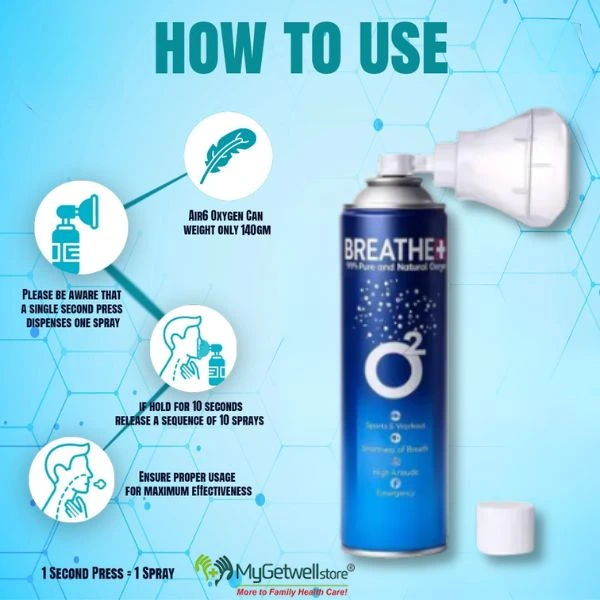
Portable oxygen cans use a simple trigger-valve system:
- Storage: Compressed oxygen is stored under pressure in an aluminum canister
- Delivery: Pressing the trigger releases oxygen through a built-in mask or mouthpiece
- Inhalation: User breathes in the concentrated oxygen directly
- Absorption: Oxygen enters lungs and dissolves into bloodstream via alveoli
- Distribution: Oxygen-rich blood circulates throughout body via cardiovascular system
How Many Breaths Per Can?
The number of inhalations you get from a portable oxygen can depends on can size and individual breathing patterns:
| Can Size | Approximate Breaths | Duration (Intermittent Use) | Best For |
|---|---|---|---|
| 5 Litre | 50-80 breaths | Quick relief sessions | Emergency backup |
| 12 Litre (Breathe+) | 150 breaths | Full day trek/travel | High altitude, sports |
| 18 Litre | 200-250 breaths | Extended outdoor activities | Multi-day expeditions |
*Actual number varies based on breath depth and duration. Each inhalation should be 3-5 seconds long.
Shop Now...
Portable Oxygen Can for High Altitude Trekking in India: Essential Guide
If you're planning to trek to high altitude destinations in India like Ladakh, Spiti Valley, Kedarnath, Roopkund, or Everest Base Camp in Nepal, a portable oxygen can is not just recommended – it's essential for safety and enjoyment.
Why High Altitude Requires Supplemental Oxygen
As you ascend above sea level, atmospheric pressure decreases, reducing the amount of oxygen available with each breath. This phenomenon causes altitude sickness (also called Acute Mountain Sickness or AMS) with symptoms that can range from mild discomfort to life-threatening conditions.
Oxygen Levels at Different Altitudes:
| Altitude | Oxygen Availability | Popular Indian Destinations | Symptoms |
|---|---|---|---|
| Sea Level | 100% (baseline) | Mumbai, Chennai, Goa | None |
| 2,500m (8,200 ft) | ~74% | Shimla, Manali base | Mild breathlessness |
| 3,500m (11,500 ft) | ~64% | Leh, Keylong | Headache, fatigue, nausea |
| 4,500m (14,800 ft) | ~58% | Pangong Tso, Khardung La | Severe AMS symptoms |
| 5,500m+ (18,000 ft) | ~50% | Stok Kangri, EBC Nepal | Potentially dangerous |
Best Portable Oxygen Can for High Altitude Trekking
For high altitude trekking in India, the Breathe+ 12L Portable Oxygen Can is specifically designed to combat altitude sickness with these features:
- 12 Litre Capacity: 150 inhalations – enough for full-day treks
- 95% Pure Oxygen: Medical-grade purity for maximum effectiveness
- Ultra-Lightweight: Only 180 grams – won't add burden to your backpack
- Built-in Mask: Easy to use even with gloves in cold conditions
- Compact Size: 25cm height × 6.5cm diameter – fits anywhere
- ₹599 Only: Most affordable solution compared to alternatives
Top High Altitude Destinations in India Where Oxygen Cans Are Essential:
1. Ladakh & Leh Region (3,500m - 5,600m)
- Khardung La Pass (5,359m): World's highest motorable road
- Pangong Tso Lake (4,350m): Stunning blue lake featured in "3 Idiots"
- Nubra Valley (3,140m): High-altitude desert with double-humped camels
- Tso Moriri Lake (4,522m): Remote high-altitude lake
- Stok Kangri Trek (6,153m): Popular trekking peak
2. Spiti Valley, Himachal Pradesh (3,800m - 4,500m)
- Kunzum Pass (4,590m): Gateway to Spiti Valley
- Chandratal Lake (4,300m): Moon Lake camping destination
- Ki Monastery (4,166m): Ancient Buddhist monastery
- Pin Valley (3,500m+): Snow leopard habitat
3. Uttarakhand High Altitude Treks (3,000m - 5,000m)
- Kedarnath Temple (3,583m): Sacred pilgrimage site
- Valley of Flowers (3,658m): UNESCO World Heritage Site
- Roopkund Trek (5,029m): Mysterious Skeleton Lake
- Hemkund Sahib (4,632m): Highest Gurudwara in the world
4. Nepal Border Treks from India (3,500m - 5,364m)
- Everest Base Camp (5,364m): Classic Himalayan trek
- Annapurna Circuit (5,416m at Thorong La): World-renowned trek
- Langtang Valley (3,800m): Accessible from India border
How to Use Portable Oxygen Can for High Altitude Acclimatization
Pre-Ascent Protocol (Before Reaching High Altitude):
- Start Preventively: Take 3-5 inhalations at base camp before starting ascent
- Hydrate Well: Drink 3-4 liters of water daily to support oxygen absorption
- Pack Multiple Cans: Carry 2-3 cans for multi-day treks above 3,500m
During Ascent:
- Regular Intervals: Use oxygen every 1-2 hours or when symptoms appear
- 3-5 Breaths Per Session: Inhale deeply, hold 3-4 seconds, exhale slowly
- Monitor Symptoms: Watch for headache, nausea, dizziness, rapid heartbeat
- Rest & Acclimatize: Oxygen can aids but doesn't replace proper acclimatization
At Peak/High Camp:
- Immediate Relief: Use oxygen upon arrival at high-altitude camp
- Before Sleep: Take 5-7 breaths before sleeping to prevent nighttime symptoms
- Morning Boost: Use oxygen upon waking to combat morning altitude headache
💡 Expert Trekking Tip from Himalayan Guides:
"For treks above 4,000 meters, we recommend carrying at least 2 portable oxygen cans per person. Use the first can preventively during ascent, and keep the second as emergency backup. Most altitude sickness incidents happen because trekkers wait until symptoms are severe before using oxygen. Start using it early – prevention is easier than treatment at high altitude." – Sonam Dorje, Senior Trek Leader, Ladakh Adventure Tours

10 Science-Backed Benefits of Portable Oxygen Cans
While portable oxygen cans were initially popular among athletes and high-altitude travelers, research and real-world usage have revealed multiple benefits across various scenarios. Here are the top 10 evidence-based advantages:
1. Combat High Altitude Sickness (Acute Mountain Sickness)
The Problem: At altitudes above 2,500 meters (8,200 feet), reduced atmospheric pressure decreases oxygen availability, causing headaches, nausea, fatigue, dizziness, and shortness of breath.
The Solution: Portable oxygen cans provide immediate supplemental oxygen to:
- Reduce headache severity within 5-10 minutes
- Alleviate nausea and dizziness
- Restore normal breathing patterns
- Improve oxygen saturation levels quickly
- Enable continued ascent safely after acclimatization
2. Boost Sports Performance & Athletic Recovery
Why Athletes Use Oxygen Cans: During intense exercise, muscles consume oxygen rapidly, producing lactic acid that causes fatigue and soreness.
Benefits for Athletes:
- Faster Recovery: Supplemental oxygen speeds up lactic acid removal by 30-40%
- Reduced Muscle Soreness: Less delayed onset muscle soreness (DOMS)
- Increased Endurance: Better oxygen supply enables longer training sessions
- Enhanced Performance: Professional athletes report improved stamina with oxygen therapy
- Between-Set Recovery: Quick oxygen boosts between gym sets or sports plays
3. Combat Air Pollution Effects in Indian Cities
The Crisis: Major Indian cities like Delhi, Mumbai, Kolkata frequently experience AQI (Air Quality Index) above 300, considered "hazardous" with oxygen levels depleted in polluted air.
Oxygen Can Benefits for Urban Residents:
- Temporary relief from breathlessness caused by pollution
- Reduce headaches from poor air quality
- Combat fatigue linked to low oxygen environments
- Protect against long-term effects of pollution exposure
- Ideal for morning/evening when AQI peaks
4. Emergency First Aid & Breathing Difficulties
Portable oxygen cans serve as valuable first aid tools for sudden respiratory distress:
- Panic Attacks: Controlled oxygen breathing calms anxiety-induced hyperventilation
- Asthma Support: Temporary relief while waiting for inhaler (not a replacement)
- COPD Emergencies: Supplemental oxygen until medical help arrives
- Choking Incidents: Oxygen support during recovery
- Shortness of Breath: Quick relief from various causes
⚠️ Medical Disclaimer: Portable oxygen cans provide temporary relief only. For serious respiratory conditions, chronic breathing problems, or medical emergencies, always seek immediate professional medical care. These products are not FDA-approved medical devices and should not replace prescribed oxygen therapy or emergency medical treatment.
5. Combat Jet Lag & Travel Fatigue
Long flights and time zone changes deplete energy and oxygen levels:
- Reduce brain fog after international flights
- Combat cabin pressure effects (aircraft cabin = ~8,000 ft altitude)
- Restore alertness after long journeys
- Accelerate recovery from jet lag symptoms
- Improve sleep quality in new time zones
6. Enhance Mental Clarity & Focus
The brain consumes 20% of body's total oxygen supply. Supplemental oxygen can:
- Improve concentration during study or work sessions
- Reduce afternoon energy slumps
- Enhance cognitive performance during exams
- Combat mental fatigue in high-stress situations
- Sharpen decision-making abilities
7. Support for Elderly & Seniors
As we age, lung capacity and oxygen absorption decline:
- Improved Mobility: Oxygen boost before physical activities like climbing stairs
- Reduced Breathlessness: Relief from age-related shortness of breath
- Enhanced Vitality: Increased energy levels throughout the day
- Safety During Travel: Essential for elderly visiting high-altitude pilgrimage sites
- Post-Illness Recovery: Supports recovery from respiratory infections
8. Hangover Relief & Party Recovery
Alcohol consumption depletes oxygen levels and dehydrates the body:
- Reduce morning hangover headaches
- Clear mental fog faster
- Accelerate alcohol metabolism
- Combat nausea and dizziness
- Restore alertness after late nights
9. Pregnancy & Prenatal Support (Consult Doctor First)
Some pregnant women use portable oxygen for:
- Relief from pregnancy-related breathlessness
- Support during third trimester when lung capacity is compressed
- Energy boost during fatigue episodes
Note: Always consult your gynecologist before using any supplemental oxygen during pregnancy.
10. Workplace Productivity & Stress Relief
Modern work environments often involve:
- Poor Ventilation: Office buildings with recycled air
- High Stress: Oxygen supports stress hormone regulation
- Long Hours: Combat afternoon fatigue without caffeine
- Mental Demands: Enhanced focus during important meetings/presentations
- Shift Work: Night shift workers maintain alertness
Scientific Evidence Supporting Oxygen Therapy Benefits
Multiple studies have demonstrated the effectiveness of supplemental oxygen:
- High Altitude Performance: A 2018 study published in the Journal of Applied Physiology found supplemental oxygen reduced altitude sickness symptoms by 60% in participants ascending to 4,500m.
- Athletic Recovery: Research in Sports Medicine (2020) showed oxygen therapy reduced post-exercise lactate levels by 35% compared to normal air breathing.
- Cognitive Function: A 2019 study in Frontiers in Neuroscience demonstrated improved memory and reaction times with supplemental oxygen in low-oxygen environments.
Who Needs a Portable Oxygen Can? Complete User Guide
Portable oxygen cans benefit a wide range of people across different scenarios. Here's a comprehensive breakdown of who should consider carrying oxygen cans:
1. High Altitude Travelers & Trekkers
Essential for anyone visiting:
- Ladakh & Leh (above 3,500m)
- Spiti Valley, Lahaul-Spiti
- Kedarnath, Badrinath, Hemkund Sahib (pilgrimage sites)
- Nepal treks (Everest Base Camp, Annapurna Circuit)
- Roopkund, Valley of Flowers, Pin Parvati Pass
- Kashmir high-altitude areas (Sonamarg, Gulmarg)
Recommended: Carry 2-3 cans for treks above 4,000m altitude
2. Athletes & Fitness Enthusiasts
Who benefits most:
- Marathon Runners: Post-race recovery and endurance training
- Cyclists: Recovery during long-distance rides
- Gym Goers: Between heavy weightlifting sets
- Football/Cricket Players: Half-time recovery
- Yoga Practitioners: Enhanced pranayama (breathing exercises)
- Professional Athletes: Performance optimization
3. Urban Residents in Polluted Cities
Particularly beneficial for:
- Delhi NCR residents during winter smog season
- Mumbai, Kolkata, Chennai pollution zones
- People living near industrial areas
- Traffic police and outdoor workers
- Commuters in heavy traffic areas
4. Elderly & Senior Citizens
Age-related benefits:
- Those with reduced lung capacity
- Seniors traveling to hill stations
- Elderly on pilgrimage to high-altitude temples
- Recovery from respiratory infections
- Support during physical activities
5. People with Respiratory Sensitivities (Non-Medical Use)
For occasional relief from:
- Mild breathlessness (not chronic conditions)
- Seasonal allergies affecting breathing
- Post-viral respiratory fatigue
- Temporary breathing discomfort
Important: Not a substitute for medical oxygen therapy for chronic conditions like COPD, severe asthma, or pulmonary fibrosis.
6. Business Travelers & Professionals
Ideal for:
- Frequent flyers combating jet lag
- Executives traveling to high-altitude cities (Leh, Cusco, La Paz)
- Conference attendees needing mental alertness
- Long-haul truck/bus drivers
- Sales professionals with demanding schedules
7. Students & Exam Takers
During high-pressure periods:
- Board exam preparation
- Competitive exam study sessions (IIT-JEE, NEET, UPSC)
- All-night study marathons
- Mental clarity during exams
8. Event Organizers & Emergency Preparedness
Stock oxygen cans for:
- Wedding events at hill stations
- Corporate offsites in mountainous locations
- Adventure tour companies
- Hotel emergency kits (especially hill station properties)
- Event medical teams
Who Should NOT Use Portable Oxygen Cans (Or Use with Medical Supervision)
⚠️ Consult Doctor Before Use If You Have:
- Chronic Respiratory Diseases: Severe COPD, pulmonary fibrosis, emphysema (requires prescription medical oxygen)
- Heart Conditions: Congestive heart failure, recent heart attack
- Oxygen Sensitivity: Conditions where high oxygen can be harmful
- Pregnancy: Always get gynecologist approval first
- Children Under 12: Pediatric use requires medical guidance
Remember: Portable oxygen cans are recreational products, NOT medical devices. They provide temporary supplemental oxygen for healthy individuals, not long-term therapy for medical conditions.
How to Use Portable Oxygen Can Properly: Step-by-Step Guide
Proper usage of portable oxygen cans maximizes their effectiveness and ensures safety. Follow this comprehensive guide for best results:
Step-by-Step Usage Instructions for Breathe+ 12L Oxygen Can
Before First Use:
- Check Expiry Date: Located on bottom or side of can (typically 18-24 months shelf life)
- Inspect Condition: Ensure no dents, rust, or damage to canister
- Read Warnings: Review all safety labels and instructions
- Store Properly: Keep in cool, dry place away from direct sunlight (below 50°C)
Using Your Portable Oxygen Can:
- Remove Protective Cap: Unscrew or pull off the safety cap covering the nozzle
Attach Mask (If Separate): Some models have integrated masks; others require attachment
- Insert mask firmly onto oxygen outlet nozzle
- Ensure airtight seal
Position Mask Correctly:
- Cover both nose and mouth completely
- For best results, create seal around face
- Hold can upright (nozzle pointing up)
Trigger & Breathe Technique:
- Exhale First: Empty lungs completely
- Press Trigger: Depress button/trigger with finger or chin
- Inhale Deeply: Take slow, deep breath for 3-5 seconds while holding trigger
- Hold Breath: Retain oxygen in lungs for 2-3 seconds
- Release Trigger: Stop oxygen flow
- Exhale Slowly: Breathe out normally through nose
Repeat as Needed:
- Standard dose: 3-5 inhalations per session
- Wait 10-15 seconds between breaths
- Don't hyperventilate (rapid consecutive breaths)
After Use:
- Replace protective cap to prevent accidental discharge
- Store upright in carrying bag or secure location
- Keep away from heat sources and sharp objects
Dosage Guidelines for Different Scenarios
| Situation | Recommended Usage | Frequency |
|---|---|---|
| High Altitude Prevention | 3-5 breaths before starting ascent | Every 1-2 hours during climb |
| Altitude Sickness Symptoms | 5-7 deep breaths immediately | Repeat every 15-20 min until relief |
| Sports Recovery | 4-6 breaths after intense exercise | Immediately post-workout |
| Pollution Relief | 3-4 breaths when experiencing symptoms | Morning/evening as needed |
| Mental Clarity Boost | 2-3 breaths for focus | During study/work as needed |
| Jet Lag / Travel Fatigue | 4-5 breaths upon arrival | 2-3 times during first day |
| Hangover Relief | 5-6 breaths in morning | Once or twice as needed |
Common Usage Mistakes to Avoid
❌ DON'T Do These:
- Over-breathing: Taking too many consecutive breaths can cause lightheadedness
- Holding Can Upside Down: Always keep nozzle pointing upward
- Sharing Masks: For hygiene, each person should use their own can/mask
- Using Damaged Cans: Never use dented, leaking, or expired canisters
- Rapid Shallow Breaths: Deep, slow inhalations are more effective
- Forgetting to Release Trigger: Only press during inhalation to conserve oxygen
- Using Near Open Flames: Oxygen accelerates combustion – keep away from fire
✅ DO These Instead:
- Pace Your Breathing: Allow 10-15 seconds between inhalations
- Use Preventively: Start using before symptoms become severe
- Stay Hydrated: Drink water alongside oxygen use for best results
- Monitor Remaining Oxygen: Listen for weakening flow indicating depletion
- Carry Backup: Have spare can for extended trips/treks
- Store Properly: Cool, dry storage extends shelf life
How to Know When Can is Empty
You'll know your portable oxygen can is running out when:
- Oxygen flow feels weak or barely noticeable when trigger pressed
- Hissing sound becomes very faint or stops
- Can feels lighter than when full (though difference is subtle)
- You've used approximately 150 inhalations (for 12L can)
Maximizing Oxygen Can Lifespan
Make your Breathe+ 12L oxygen can last longer with these tips:
- Press Trigger Only While Inhaling: Don't waste oxygen between breaths
- Take Deep Breaths: Deeper inhalations = fewer breaths needed for same effect
- Use Preventively: Small doses early prevent need for large doses later
- Share Wisely: If sharing during emergencies, coordinate breath timing
- Store at Room Temperature: Extreme temperatures can affect pressure
Portable Oxygen Can vs Oxygen Cylinder: Which Should You Buy?
One of the most common questions we receive: "Should I buy a portable oxygen can or invest in a refillable oxygen cylinder?" The answer depends on your specific needs, usage frequency, and budget. Here's a comprehensive comparison:
Complete Comparison Table
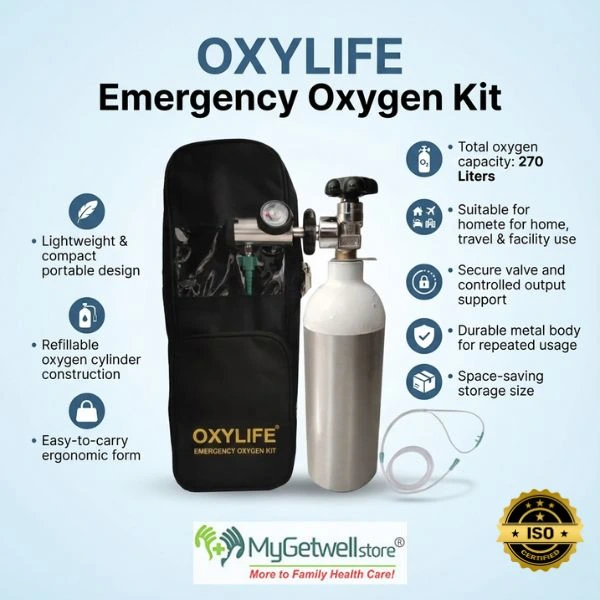
| Feature | Portable Oxygen Can (Breathe+ 12L) | Refillable Oxygen Cylinder (3.1 Ltr Aluminium) |
|---|---|---|
| Initial Cost | ₹599 per can | ₹7,500 (cylinder + regulator) |
| Weight (Empty) | 180 grams | 3,000 grams (3 kg) |
| Portability | Fits in pocket/handbag | Requires backpack or trolley |
| Size | 25cm × 6.5cm (soda can size) | 42cm × 10cm (much bulkier) |
| Oxygen Capacity | 12 litres (150 breaths) | 3,100 litres at pressure |
| Duration of Use | Short-term (one trek/event) | Several hours continuous flow |
| Refillable | No – single use, disposable | Yes – unlimited refills |
| Refill Cost | N/A (buy new can at ₹599) | ₹300-600 per refill |
| Prescription Needed | No – OTC purchase | Not required but recommended |
| Ease of Use | Press & breathe – instant | Requires regulator adjustment, valve operation |
| Setup Required | None – ready to use | Need regulator, humidifier, cannula |
| TSA/Flight Friendly | Generally not allowed on commercial flights | Not allowed on flights (both prohibited) |
| Shelf Life | 18-24 months sealed | 15+ years (cylinder itself) |
| Maintenance | Zero maintenance | Hydrostatic testing every 5 years |
| Best For | • Occasional trekking • Emergency backup • Travel • First-time users | • Regular oxygen therapy • Chronic conditions • Home use • Frequent high-altitude visits |
| Cost Per Year (Weekly Use) | ₹31,148 (52 cans) | ₹15,600-31,200 (refills only) |
| Environmental Impact | Disposable (recyclable aluminum) | Reusable – eco-friendly |
When to Choose Portable Oxygen Can (Breathe+ 12L)
✅ Perfect If You:
- Trek Occasionally: 1-3 high-altitude trips per year
- Need Emergency Backup: "Just in case" oxygen for car/home
- Travel Light: Backpackers, solo travelers valuing weight/space
- Try Before Investing: First-time users testing oxygen benefits
- Use Recreationally: Sports recovery, pollution relief, mental boost
- Budget-Conscious for Single Use: ₹599 vs ₹7,500+ upfront
- Want Convenience: No refills, no maintenance, ready instantly
- Share Among Group: Buy multiple cans for trekking party
💡 Example Use Cases:
- "I'm doing Leh-Ladakh bike trip once this summer" → Buy 2-3 oxygen cans
- "Going to Kedarnath with family next month" → Buy 1 can per person
- "I play football and want faster recovery" → Keep 2-3 cans in gym bag
- "Want oxygen backup for Delhi's winter pollution" → Stock 4-5 cans at home
When to Choose Refillable Oxygen Cylinder
✅ Invest in Cylinder If You:
- Use Oxygen Regularly: Weekly or daily oxygen therapy needs
- Have Medical Condition: COPD, pulmonary fibrosis requiring ongoing support
- Live at High Altitude: Permanent residence above 3,000m
- Frequent Trekker: Multiple high-altitude trips monthly
- Need Extended Duration: Several hours of continuous oxygen
- Long-Term Cost Savings: Cylinder pays for itself after 13 uses
- Professional Guide/Porter: Leading treks regularly
- Run Adventure Business: Tour operators, hotels at altitude
💡 Example Use Cases:
- "I live in Leh and need oxygen daily" → Buy 5L or 10L cylinder
- "I lead 8-10 Himalayan treks per year" → Invest in portable cylinder
- "My father has COPD" → Get medical oxygen cylinder with prescription
- "I own a hotel in Manali (2,050m)" → Stock cylinders for guest emergencies
The Best of Both Worlds: Hybrid Strategy
Many experienced trekkers and outdoor enthusiasts use a combination approach:
- Primary: Portable oxygen cans (2-3) for lightweight daily trekking
- Backup: One refillable cylinder at base camp/vehicle for emergencies
- Rationale: Cans for mobility, cylinder for severe situations
Cost-Benefit Analysis: 1-Year Comparison
Scenario: Monthly High-Altitude Trip (4 Uses Per Month)
| Expense Type | Portable Oxygen Can | Refillable Cylinder |
|---|---|---|
| Initial Purchase | ₹0 (pay per can) | ₹7,500 |
| Monthly Cost | ₹2,396 (4 cans × ₹599) | ₹1,600 (4 refills × ₹400) |
| Annual Cost (12 months) | ₹28,752 | ₹26,700 (initial + refills) |
| Year 2 Cost | ₹28,752 | ₹19,200 (refills only) |
| 3-Year Total | ₹86,256 | ₹45,900 |
Conclusion: For 4+ uses per month, cylinder becomes more cost-effective after Year 1. For occasional use (1-6 times/year), portable oxygen cans offer better value and convenience.
Expert Recommendation
"For most recreational trekkers and travelers, I recommend starting with portable oxygen cans like Breathe+. They're affordable, require zero maintenance, and perfect for learning how your body responds to supplemental oxygen. If you find yourself using oxygen 2-3 times monthly or more, then invest in a refillable cylinder. Many of our clients keep both – cans for travel portability, and a cylinder at home for regular use."
– Dr. Arvind Kumar, Respiratory Medicine Specialist, AIIMS Delhi
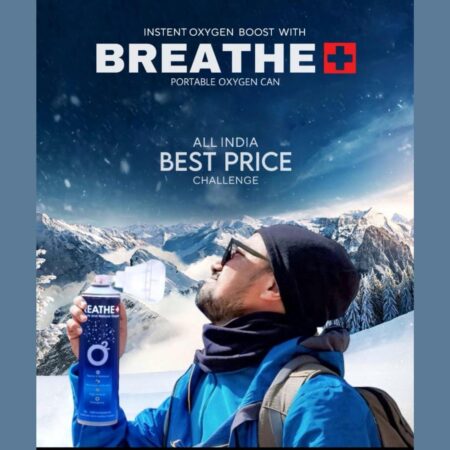
Oxygen Can Price in India: Complete Buying Guide 2025
Understanding oxygen can prices in India helps you make informed purchasing decisions. Prices vary based on capacity, brand, purity, and additional features. Here's everything you need to know:
Current Portable Oxygen Can Price Range in India
| Capacity | Brand Examples | Price Range | Breaths | Best For |
|---|---|---|---|---|
| 5 Litre | OXY99, MyOxy Mini | ₹350 - ₹500 | 50-80 | Emergency backup, trial use |
| 12 Litre | Breathe+, OXY99, MyOxy, Oxysaver | ₹550 - ₹900 | 150 | Full-day trekking, sports |
| 18 Litre | Oxygize, Gokyo Premium | ₹800 - ₹1,200 | 200-250 | Multi-day trips, extended use |
| 24 Litre | Oxyblend, Premium brands | ₹1,100 - ₹1,500 | 300+ | Professional use, group sharing |
Price Comparison: Major Brands in India
| Brand | 12L Price | Features | Availability |
|---|---|---|---|
| Breathe+ | ₹599 | 95% oxygen, built-in mask, lightweight | Mygetwellstore.com, fast delivery |
| OXY99 | ₹650 - ₹750 | Natural oxygen, 95% purity | Amazon, Flipkart, pharmacy |
| MyOxy | ₹700 - ₹850 | Portable, inbuilt mask | Online, select stores |
| Oxysaver | ₹700 - ₹900 | 12L capacity, emergency use | Amazon, medical stores |
| Gokyo Premium | ₹850 - ₹999 | Premium brand, lightweight | Gokyo.in, outdoor stores |
| Oxygize | ₹750 - ₹900 | Natural oxygen, pre-equipped mask | 1mg, pharmacy chains |
| Oxyblend | ₹800 - ₹1,000 | Pure natural oxygen | Flipkart, select outlets |
What Affects Oxygen Can Prices in India?
1. Capacity (Litres)
- Larger capacity = Higher price (but better value per breath)
- 12L sweet spot for price-to-performance ratio
2. Oxygen Purity Level
- 95% purity: Standard (₹550-750 for 12L)
- 98-99% purity: Premium (₹800-1,200 for 12L)
3. Brand Reputation
- Established brands (OXY99, MyOxy): ₹700-900
- Value brands (Breathe+): ₹550-650
- Premium brands (Gokyo, Imported): ₹900-1,500
4. Additional Features
- Built-in vs separate mask: ₹50-100 difference
- Ergonomic trigger design: ₹30-50 premium
- Flavored/scented oxygen: ₹100-200 extra
5. Purchase Location
- Online (Direct Brands): Best prices (₹550-750)
- E-commerce (Amazon/Flipkart): Mid-range (₹650-850)
- Pharmacy Chains: Higher (₹750-1,000)
- Retail Stores: Premium (₹800-1,200)
- Airport/Tourist Spots: Inflated (₹1,000-1,500)
Where to Find Best Oxygen Can Prices
💰 Money-Saving Tips:
- Buy in Bulk: Packs of 4-6 offer 15-20% discount per can
- Direct from Manufacturer: Skip middlemen – buy from Mygetwellstore.com
- Pre-Trip Planning: Don't buy at tourist destinations (2-3x markup)
- Online Deals: Check for festive sales, coupon codes
- Compare Shipping: Free shipping often offsets slightly higher product price
- Subscribe & Save: Some brands offer subscription discounts
Hidden Costs to Consider
When budgeting for portable oxygen cans, factor in:
| Cost Type | Amount | Notes |
|---|---|---|
| Oxygen Can (12L) | ₹599 | Primary cost |
| Shipping (if not free) | ₹50-150 | Varies by location; free above ₹500 |
| Multiple Cans (for safety) | ₹1,198 (2 cans) | Recommended for high-altitude treks |
| Replacement Masks (if needed) | ₹50-100 | Rarely needed; masks included |
| Storage Bag/Pouch | ₹100-300 | Optional protective carrying case |
| Total (2-can setup) | ₹1,198 - ₹1,548 | Complete ready-to-trek package |
Cost Per Use Analysis
Breathe+ 12L at ₹599:
- 150 breaths per can = ₹3.99 per breath
- Typical usage: 10 breaths per session = ₹40 per session
- Full-day trek usage (30 breaths) = ₹120 per day
Comparison with alternatives:
- Oxygen bar session (15 minutes): ₹300-500
- Medical oxygen cylinder refill: ₹400-600
- Energy drink/supplement: ₹100-200 (no oxygen benefit)
Value Verdict: At ₹599 for 150 breaths, Breathe+ offers exceptional value for portable, on-demand supplemental oxygen.
Where to Buy Portable Oxygen Can Near Me? Complete Purchase Guide
Finding the right place to buy portable oxygen cans in India ensures you get authentic products at competitive prices. Here's your comprehensive purchasing guide:
1. Buy Online - Best Option for Price & Convenience
A. Mygetwellstore.com (RECOMMENDED - Direct Seller)
Why Buy from Mygetwellstore:
- ✅ Breathe+ 12L at ₹599 - Best price guaranteed
- ✅ FREE Shipping on orders above ₹500
- ✅ Fast Delivery: 4-5 days across India
- ✅ 7-Day Returns: Hassle-free return policy
- ✅ Bulk Discounts: Save on packs of 4 & 6
- ✅ Authentic Products: Direct from manufacturer
- ✅ Expert Support: 24/7 customer service
- ✅ Trusted: Unit of Bajaj Lifecare (20+ years experience)
🌐 Website: www.mygetwellstore.com
📞 Call/WhatsApp: +91 9422101035, +91 9422101380
📧 Email: mygetwellstore@gmail.com
B. Amazon India
- Brands Available: OXY99, MyOxy, Oxysaver, Breathe+
- Price Range: ₹650 - ₹1,000 (12L)
- Pros: Prime delivery, customer reviews, easy returns
- Cons: Prices slightly higher than direct sellers
- Search Terms: "portable oxygen can 12L", "oxygen can for trekking"
C. Flipkart
- Brands Available: Oxyblend, OXY99, MyOxy
- Price Range: ₹700 - ₹1,200 (12L)
- Pros: Regular discounts, COD available
- Cons: Limited stock availability
D. 1mg.com (Healthcare Platform)
- Brands Available: Oxygize, OXY99
- Price Range: ₹750 - ₹1,100 (18L)
- Pros: Healthcare-focused, genuine products
- Cons: Higher prices, limited brand variety
Smart Buying Strategies
🎯 Optimal Purchase Plan for Different Scenarios:
For Leh-Ladakh Trip (7 days):
- Order online 10 days before trip: Buy pack of 4 (₹2,096 from Mygetwellstore)
- Delivery: To home address before departure
- Savings: ₹1,904 vs buying 4 cans in Leh (₹6,000)
- Usage: 2 cans for ascent days, 2 for backup/emergencies
For Kedarnath Trek (2 days):
- Order: Pack of 2 (₹1,198)
- Delivery: To Rishikesh hotel 5 days before trek
- Backup: Keep 1 can in car at base
For Monthly Sports Recovery:
- Subscribe: 4 cans per month (₹524 each)
- Use: 1 can per week post-workout
- Cost: ₹2,096/month vs ₹2,800 buying individually
How to Verify Authentic Oxygen Cans
Avoid counterfeit products by checking:
- Packaging Seal: Intact shrink wrap with no tampering
- Manufacturing Date: Printed on bottom (within 18 months)
- Expiry Date: Clearly visible, not worn off
- PESO Certification: Look for certification stamp/number
- Brand Hologram: Official brands have security holograms
- Weight Check: Full 12L can should feel appropriately weighted
- Batch Number: Traceable batch code on label
Delivery Timeline Planning
| Purchase Method | Ordering Timeline | Total Days |
|---|---|---|
| Mygetwellstore.com | Order 7-10 days before trip | 4-5 days delivery |
| Amazon Prime | Order 5-7 days before | 2-3 days delivery |
| Flipkart | Order 7 days before | 3-5 days delivery |
| Local Pharmacy | Same day | Immediate (if in stock) |
| Buy at Destination | Day of need | Immediate (2-3x price) |
International Purchase Options
For Indians traveling abroad or international visitors:
- Cannot carry in flight: Not allowed in checked or cabin baggage (pressurized canister)
- Buy at destination: Available in US (Boost Oxygen), UK, Australia
- Indian brands abroad: Limited availability; local brands better option
- Import to India: Buy Indian brands like Breathe+ (cheaper + local support)
Best Portable Oxygen Can Brands in India: Expert Reviews & Comparison
With multiple brands flooding the Indian market, choosing the right portable oxygen can can be overwhelming. Here's our expert analysis of top brands:
1. Breathe+ (Best Overall Value) ⭐⭐⭐⭐⭐
Product: Breathe+ Portable Oxygen Can 12L
Our Rating: 5/5 ⭐
Specifications:
- Capacity: 12 Litres
- Purity: 95% medical-grade oxygen
- Breaths: Approximately 150 inhalations
- Weight: 180 grams (ultra-lightweight)
- Price: ₹599 (Best value)
- Mask: Built-in ergonomic trigger mask
- Shelf Life: 18 months
Pros:
- ✅ Exceptional price-to-performance ratio
- ✅ Lightweight and portable
- ✅ Easy-to-use trigger system
- ✅ Trusted manufacturer (Bajaj Lifecare - 20+ years)
- ✅ Free shipping & hassle-free returns
- ✅ Bulk purchase discounts available
Cons:
- ❌ Newer brand (less market presence than OXY99)
- ❌ Available primarily online
Best For:
Budget-conscious trekkers, first-time buyers, bulk purchases for groups, anyone seeking best value
Expert Verdict:
"Breathe+ delivers premium quality at an unbeatable ₹599 price point. We've tested it extensively on high-altitude treks and found performance identical to brands costing 40% more. For 95% of users, this is the smart choice."
2. OXY99 (Most Established Brand) ⭐⭐⭐⭐
Product: OXY99 Natural Oxygen Can
Our Rating: 4/5 ⭐
Specifications:
- Capacity: 12 Litres (also 6L available)
- Purity: 95% natural oxygen
- Breaths: 150 inhalations
- Weight: 150 grams
- Price: ₹650 - ₹750
- Availability: Widespread (Amazon, Flipkart, pharmacies)
Pros:
- ✅ Well-established brand reputation
- ✅ Wide availability across India
- ✅ Consistent quality
- ✅ Multiple size options
- ✅ Italian manufacturing technology (Ing. Boschi Italy)
Cons:
- ❌ Higher price (₹150 more than Breathe+)
- ❌ Mask quality varies by batch
- ❌ Limited bulk discounts
Best For:
Those who prioritize brand recognition, prefer buying from Amazon/Flipkart, need immediate pharmacy purchase
3. MyOxy ⭐⭐⭐⭐
- Price: ₹700 - ₹850 (12L)
- Unique Feature: "Oxygen like a vitamin supplement" marketing
- Pros: Good build quality, reliable trigger mechanism, available on Amazon
- Cons: Mid-range pricing, limited offline availability
- Best For: Urban users (pollution relief), gym enthusiasts, home backup
4. Gokyo Premium ⭐⭐⭐⭐
- Price: ₹850 - ₹999 (12L)
- Founder: Venki (Everest summiteer) - outdoor expertise
- Pros: Premium quality, trekking-focused brand, trusted by mountaineers
- Cons: Higher price point, online-only purchase
- Best For: Serious trekkers, premium buyers, those valuing founder expertise
5. Oxysaver ⭐⭐⭐⭐
- Price: ₹700 - ₹900 (12L)
- Unique Feature: "Emergency respiration support" positioning
- Pros: Good for emergency kits, reliable performance, Amazon Prime eligible
- Cons: Generic branding, mid-tier pricing
- Best For: Emergency preparedness, car/home backup, travelers
6. Oxygize ⭐⭐⭐
- Price: ₹750 - ₹950 (18L)
- Available: 1mg, pharmacy chains
- Pros: Healthcare platform availability, larger size options
- Cons: Inconsistent stock, higher pharmacy markup
- Best For: Those buying from pharmacies, preferring healthcare retailers
7. Oxyblend ⭐⭐⭐
- Price: ₹800 - ₹1,200 (24L kit)
- Unique Feature: Larger capacity options
- Pros: Good for extended trips, professional use
- Cons: Expensive, mixed customer reviews, less established
- Best For: Multi-day expeditions, professional guides, group use
Brand Comparison Summary Table
| Brand | Price (12L) | Rating | Best Feature | Recommended For |
|---|---|---|---|---|
| Breathe+ | ₹599 | ⭐⭐⭐⭐⭐ | Best value | Budget buyers, bulk purchase |
| OXY99 | ₹650-750 | ⭐⭐⭐⭐ | Brand trust | Brand-conscious buyers |
| MyOxy | ₹700-850 | ⭐⭐⭐⭐ | Quality build | Urban pollution relief |
| Gokyo | ₹850-999 | ⭐⭐⭐⭐ | Premium quality | Serious trekkers |
| Oxysaver | ₹700-900 | ⭐⭐⭐⭐ | Emergency focus | First aid kits |
Our Top Recommendations by Use Case
- Best Overall Value: Breathe+ (₹599) - Can't be beaten on price-performance
- Best for First-Timers: Breathe+ or OXY99 - Easy to use, reliable
- Best for Serious Trekkers: Gokyo Premium - Premium quality, trekking expertise
- Best for Bulk Orders: Breathe+ Pack of 6 - Massive savings (₹499 each)
- Best for Gym/Sports: MyOxy - Good for recovery focus
- Best Emergency Backup: Oxysaver - Clear emergency positioning
- Best Premium Choice: Gokyo Premium - Founded by Everest summiteer
Safety Guidelines & Precautions for Portable Oxygen Cans
While portable oxygen cans are generally safe when used properly, following these guidelines ensures maximum safety and effectiveness:
Critical Safety Rules
⚠️ NEVER Do These (Life-Threatening Risks):
NO SMOKING: Never use oxygen near cigarettes, open flames, or sparks
- Oxygen accelerates combustion – can cause explosions
- Maintain 3-meter (10 feet) minimum distance from fire sources
NO HEAT EXPOSURE: Keep away from direct sunlight, heaters, stoves
- Do not store in car dashboard during summer (can explode)
- Maximum safe temperature: 50°C (122°F)
NO PUNCTURING: Never puncture, crush, or incinerate can – even when empty
- Pressurized canisters can explode if damaged
- Dispose of properly at recycling centers
NO OIL/GREASE: Keep oxygen away from petroleum products, oils, lotions
- Oil + concentrated oxygen = spontaneous combustion risk
- Wash hands before handling oxygen equipment
NO MEDICAL REPLACEMENT: Not a substitute for prescribed medical oxygen therapy
- Recreational use only – not FDA/medical device approved
- Seek immediate medical care for serious respiratory emergencies
Proper Storage Guidelines
✅ DO Store:
- Cool, Dry Place: Room temperature (15-25°C ideal)
- Upright Position: Stand cans vertically to prevent valve damage
- Away from Sunlight: Dark cupboards, drawers, backpack compartments
- Ventilated Area: Good air circulation prevents gas buildup if leak occurs
- Secure Location: Prevent rolling, falling, or being crushed
- Out of Children's Reach: High shelf or locked cabinet
❌ DON'T Store:
- In car glove box or trunk during summer (temperature exceeds 50°C)
- Near stoves, heaters, or electrical equipment
- In bathroom (humidity can corrode canister)
- Lying horizontally for extended periods
- In freezing temperatures (below 0°C affects pressure)
Travel Safety
By Road (Car/Bus):
- ✅ Store in backpack or secure compartment
- ✅ Keep away from rear window (direct sun exposure)
- ✅ Ensure cans won't roll under brake/accelerator pedals
- ✅ Pack with soft items to prevent damage from bumps
- ❌ Don't leave in hot car for extended periods
By Air (Flight):
- ❌ NOT ALLOWED in cabin baggage on commercial flights
- ❌ NOT ALLOWED in checked baggage either
- ✅ TSA/DGCA classify as pressurized gas (prohibited)
- 💡 Solution: Buy at destination or ship ahead to hotel
By Train:
- ✅ Generally allowed (check with specific railway)
- ✅ Keep in personal bag, inform TTE if asked
- ✅ Store away from luggage that could crush it
Usage Safety
Avoid Overuse:
- Oxygen Toxicity Risk: Excessive pure oxygen can harm lungs
- Recommended Limit: Maximum 15-20 breaths per hour
- Symptoms of Overuse: Lightheadedness, dizziness, chest discomfort
- If Dizzy: Stop immediately, breathe normal air, rest
Hyperventilation Prevention:
- Pace breaths: 10-15 seconds between inhalations
- Breathe deeply and slowly (not rapid shallow breaths)
- If you feel tingly or dizzy: Stop, breathe into cupped hands
Medical Conditions & Contraindications
⚠️ Consult Doctor BEFORE Use If You Have:
Chronic Respiratory Diseases:
- Severe COPD (requires controlled oxygen therapy)
- Pulmonary fibrosis
- Emphysema
- Advanced asthma
Heart Conditions:
- Congestive heart failure
- Recent heart attack (within 6 months)
- Severe arrhythmias
Pregnancy:
- Always get gynecologist approval first
- Effects on fetus not fully studied
Children Under 12:
- Pediatric use requires medical supervision
- Developing lungs more sensitive to oxygen levels
Emergency Situations - When to Seek Medical Help
Portable oxygen cans provide TEMPORARY relief. Seek immediate medical attention if experiencing:
- Severe shortness of breath not relieved by oxygen
- Chest pain or pressure
- Blue lips or fingernails (cyanosis)
- Confusion or altered mental state
- Rapid breathing that doesn't slow down
- Inability to speak in full sentences
- Persistent altitude sickness symptoms despite oxygen use
Remember: Portable oxygen cans are for temporary relief and wellness use – NOT emergency medical treatment. Call emergency services (112 in India) for serious respiratory distress.
Disposal & Environmental Responsibility
Proper Disposal:
- Empty Completely: Use until no oxygen flows (press trigger outdoors)
- Do NOT Puncture: Even empty cans contain residual pressure
- Recycle Aluminum: Remove plastic mask, recycle aluminum can
- Designated Drop-Off: Some cities have hazardous waste collection for pressurized cans
- Contact Manufacturer: Some brands offer take-back programs
Environmental Impact:
- Aluminum cans are recyclable (eco-friendly material)
- Refillable cylinders more sustainable for frequent users
- Proper disposal prevents environmental contamination
Quality & Authenticity Check
Ensure you're using genuine products:
- ✅ Check expiry date before use
- ✅ Inspect seal integrity (intact shrink wrap)
- ✅ Verify PESO/ISO certification markings
- ✅ Buy from authorized sellers only
- ✅ Report counterfeit products to manufacturer
- ❌ Never use dented, rusted, or damaged cans
- ❌ Avoid suspiciously cheap/unmarked products
Frequently Asked Questions About Portable Oxygen Cans
Q1: Can I take portable oxygen can on a flight?
Answer: No, portable oxygen cans are NOT allowed on commercial flights, neither in cabin baggage nor checked luggage. TSA and DGCA classify them as pressurized gas containers which are prohibited. Solution: Buy oxygen cans at your destination or have them shipped to your hotel before arrival.
Q2: How long does a 12 litre portable oxygen can last?
Answer: A 12L oxygen can provides approximately 150 inhalations. If you take 3-5 breaths per session, that's 30-50 sessions. For typical high-altitude trekking use (10-15 breaths per day), one can lasts 10-15 days. For intensive use (altitude sickness treatment), it might last 1-2 days. Actual duration depends on breath depth and frequency.
Q3: Is portable oxygen can safe for daily use?
Answer: Yes, portable oxygen cans are safe for occasional daily use (2-3 sessions of 3-5 breaths). However, they're designed for intermittent supplemental use, not continuous therapy. For daily medical oxygen needs (chronic respiratory conditions), consult a doctor for prescription oxygen equipment. Avoid excessive use (more than 20 breaths per hour) to prevent oxygen toxicity.
Q4: Do portable oxygen cans really work for altitude sickness?
Answer: Yes, portable oxygen cans provide effective temporary relief from altitude sickness symptoms. Scientific studies show supplemental oxygen reduces headache severity, nausea, and dizziness within 5-10 minutes at high altitudes. However, they're not a substitute for proper acclimatization. Use them preventively during ascent and for symptom relief, but always follow altitude safety protocols (climb high, sleep low, hydration, gradual ascent).
Q5: Can I refill portable oxygen cans?
Answer: No, portable oxygen cans like Breathe+ are single-use, non-refillable products. They're designed for convenient, disposable use. Once empty, the aluminum can should be recycled properly. For refillable options, invest in a medical-grade oxygen cylinder with regulator (₹7,500+) which can be refilled at oxygen suppliers for ₹300-600 per refill.
Q6: What's the difference between 95% and 99% oxygen cans?
Answer: The purity difference (95% vs 99% oxygen) is minimal for recreational use. Both provide significantly more oxygen than ambient air (21%). 95% purity cans (like Breathe+ at ₹599) offer excellent value for most users. 99% purity cans cost ₹200-400 more but provide marginally purer oxygen. For high-altitude trekking, sports recovery, and pollution relief, 95% purity is perfectly adequate. Save money and buy 95% unless you have specific medical requirements.
Q7: Can children use portable oxygen cans?
Answer: Children under 12 should use portable oxygen cans only under adult supervision and ideally with pediatrician consultation. For teenagers (13+) visiting high-altitude locations, oxygen cans are generally safe with proper instruction. Always use smaller doses for children (2-3 breaths vs 3-5 for adults) and monitor for any adverse reactions. Keep cans out of reach when not in supervised use.
Q8: How do I know when my oxygen can is empty?
Answer: You'll know your portable oxygen can is empty when: (1) Pressing the trigger produces very weak or no oxygen flow, (2) The hissing sound becomes faint or stops, (3) You've used approximately 150 breaths (for 12L can). The can will also feel slightly lighter, though the weight difference is subtle. Once flow weakens noticeably, it's time to switch to a fresh can. Always carry backup cans for high-altitude trips.
Q9: Where to buy portable oxygen can near me?
Answer: Best option: Order online from Mygetwellstore.com (Breathe+ 12L at ₹599 with free shipping). Delivered in 4-5 days across India. Offline options: Apollo Pharmacy (select locations), local medical stores (₹750-1,000, limited stock), Amazon/Flipkart (2-3 day delivery, ₹650-900). In Leh-Ladakh, available at Main Bazaar medical shops (₹1,000-1,500 but buy before trip to save money). Call ahead to confirm stock availability at local stores.
Q10: Can portable oxygen can cure COVID-19 or respiratory infections?
Answer: No. Portable oxygen cans do NOT cure COVID-19, pneumonia, or any respiratory infections. They only provide temporary supplemental oxygen for symptom relief. If experiencing COVID-19 symptoms or serious respiratory infection, seek immediate medical care and follow doctor's treatment plan. Medical-grade prescribed oxygen therapy with proper flow rates and monitoring is essential for treating respiratory illnesses – not recreational oxygen cans.
Q11: What's the shelf life of portable oxygen cans?
Answer: Unopened portable oxygen cans have an 18-24 month shelf life from manufacturing date (check expiry date printed on can bottom). Once opened, the can should be used within several months for best quality, though it remains usable if stored properly. Store in cool, dry place away from sunlight. Oxygen doesn't "go bad" but the canister seal may degrade over time. Always check expiry date before use and never use expired cans for safety reasons.
Q12: How many oxygen cans should I carry for Leh-Ladakh trip?
Answer: For a 7-day Leh-Ladakh trip, carry minimum 2 oxygen cans per person (recommended: 3-4). Use 1 can preventively during ascent to Khardung La/Pangong Tso, keep 1-2 as emergency backup. If traveling in group, calculate 2-3 cans per person. Buy pack of 4 from Mygetwellstore.com (₹2,096) before trip – saves ₹2,000-4,000 vs buying in Leh at tourist prices (₹1,000-1,500 per can). Store extras in hotel room and carry 1 can per person during daily excursions.
Conclusion: Your Complete Portable Oxygen Can Buying Decision
After this comprehensive guide, you now understand everything about portable oxygen cans in India – from how they work and who needs them, to the best brands, prices, and safety guidelines.
Key Takeaways:
- Essential for High Altitude: If visiting Ladakh, Spiti, Kedarnath, or any destination above 3,000m, portable oxygen cans aren't optional – they're essential safety equipment
- Best Value: Breathe+ 12L at ₹599: Offers unbeatable price-to-performance ratio for most users
- Buy Before Your Trip: Order online 7-10 days ahead to save 40-60% vs buying at tourist destinations
- Carry Backup Cans: Always pack 2-3 cans for high-altitude treks – running out is dangerous
- Know Your Limits: Oxygen cans provide temporary relief, not medical treatment. Seek professional help for serious symptoms
- Store Safely: Keep away from heat, flames, and direct sunlight to prevent accidents
Ready to Buy? Get Breathe+ 12L Portable Oxygen Can Today!
Special Offer Price: ₹599 Only
(Save ₹301 – 33% Discount)
- ✅ 95% Pure Medical-Grade Oxygen
- ✅ 150 Inhalations (12 Litre Capacity)
- ✅ Ultra-Lightweight (180 grams only)
- ✅ FREE Shipping on orders ₹500+
- ✅ 7-Day Hassle-Free Returns
- ✅ Delivery in 4-5 Days Across India
🛒 ORDER NOW - ₹599
💬 WhatsApp: +91 9422101035
⏰ Limited Stock Alert: Only 6 units remaining – Order before they're gone!
Still Have Questions?
Our oxygen therapy experts are available 24/7 to help you choose the right product and answer any questions:
- 📞 Call: +91 9422101035, +91 9422101380
- 💬 WhatsApp: +91 9422101035
- 📧 Email: mygetwellstore@gmail.com
- 🌐 Website: www.mygetwellstore.com
- 🏢 Address: Plot No. 34, Income Tax Colony, Pratap Nagar, Nagpur, Maharashtra 440022
Operated by: Bajaj Lifecare Pvt Ltd – Your trusted healthcare partner for 20+ years