
A pulse oximeter is an essential medical device that measures oxygen saturation (SpO₂) and pulse rate within seconds. It is widely used for home health monitoring, elderly care, respiratory conditions, fitness tracking, and recovery after illness.
Choosing the right pulse oximeter ensures accurate readings and early detection of health problems — which can be life-saving.
In this expert guide, we answer the most searched questions about pulse oximeters and help you choose the best option for home use in India.
🔍 What Is a Pulse Oximeter and How Does It Work?
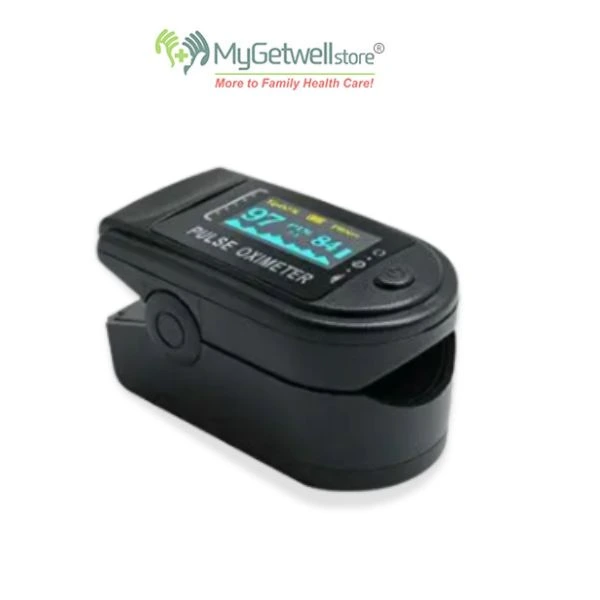
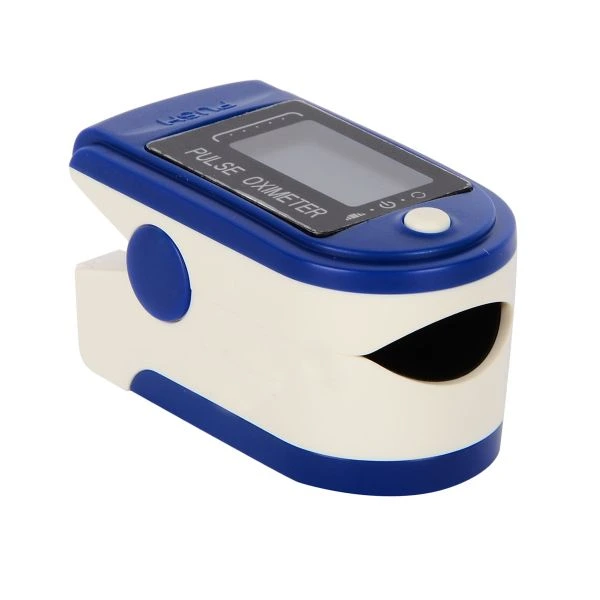
A pulse oximeter is a small fingertip device that measures how much oxygen is present in your blood and tracks your heart rate.
It works by shining light through your finger and analyzing how oxygenated blood absorbs that light.
The result is displayed as:
SpO₂ percentage (oxygen level)
Pulse rate (beats per minute)
📊 What Is the Normal Oxygen Level on a Pulse Oximeter?
| Oxygen Level | Meaning |
|---|---|
| 95% – 100% | Normal & healthy |
| 90% – 94% | Slightly low (monitor) |
| Below 90% | Dangerous – seek medical help |
Maintaining healthy oxygen levels is essential for proper organ function.
⭐ Which Is the Best Pulse Oximeter in India?
The best pulse oximeters in India are medical-grade fingertip models that provide:
✔ High accuracy (±2%)
✔ Fast readings within 5 seconds
✔ Bright OLED/LED display
✔ Compact & portable design
✔ Auto shut-off for battery saving
Medical suppliers generally offer more reliable devices than cheap unknown brands.
🏆 Best Pulse Oximeter Features Comparison
| Feature | Basic Model | Medical-Grade Model |
|---|---|---|
| Accuracy | Good | Very high |
| Display | LED | OLED |
| Reading Speed | 8–10 sec | 5 sec |
| Durability | Medium | High |
| Home Use | Yes | Best choice |
✔ Are Pulse Oximeters Accurate for Home Use?
Yes, high-quality pulse oximeters are very accurate when used correctly.
For best results:
Sit still while measuring
Keep fingers warm
Avoid nail polish
Place finger properly inside the device
👨⚕️ Who Should Use a Pulse Oximeter?
Pulse oximeters are useful for:
Elderly people
Asthma & COPD patients
Post-COVID recovery
Athletes & fitness tracking
Home health monitoring
⏱ How Often Should Oxygen Levels Be Checked?
Healthy individuals: once or twice daily
Medical conditions: as advised by a doctor (often 2–4 times daily)
🌟 Benefits of Using a Pulse Oximeter at Home
✔ Detects low oxygen early
✔ Tracks respiratory health
✔ Provides peace of mind
✔ Supports home recovery
✔ Easy to use for seniors
🔎 What Features Should You Look for in a Good Pulse Oximeter?
SpO₂ & pulse rate display
Bright screen visibility
One-button operation
Low battery consumption
Certified medical quality (if available)

Can Pulse Oximeters Detect Breathing Problems?
Pulse oximeters can reveal low oxygen levels linked to:
Asthma
COPD
Pneumonia
Lung infections
Sleep apnea
Early detection helps prevent serious complications.
💰 Are Cheap Pulse Oximeters Under ₹1000 Reliable?
Many affordable pulse oximeters in India offer good accuracy for daily home use.
However, buying from trusted medical suppliers ensures better quality and long-term reliability.
⏳ How Fast Do Pulse Oximeters Show Results?
Most fingertip pulse oximeters display accurate readings within 5 to 10 seconds.
👶 Can Children Use Pulse Oximeters?
Yes, children can use pulse oximeters if the finger fits properly. Pediatric-friendly models provide better accuracy for small fingers.
⚠ What Is a Dangerous Oxygen Level?
An SpO₂ level below 90% is considered dangerous and requires immediate medical attention.
Levels between 90% and 94% should be closely monitored.
🤔 Why Does an Oximeter Sometimes Show Low Oxygen?
Common reasons include:
Cold fingers
Movement during reading
Poor circulation
Nail polish
Low batteries
Always sit calmly and ensure correct finger placement.
🦠 Can a Pulse Oximeter Detect COVID or Lung Infection?
A pulse oximeter cannot diagnose disease, but it can detect low oxygen levels that may indicate respiratory issues such as COVID-19, pneumonia, or lung problems.
👵 Is 92% Oxygen Level Normal for Elderly People?
An SpO₂ level of 92% is slightly low and should be monitored closely.
If it stays low regularly, consult a doctor.
✋ Which Finger Is Best for Accurate Reading?
The index finger or middle finger usually provides the most reliable readings due to better blood circulation.
📝 Final Thoughts
A pulse oximeter is an essential home medical device for monitoring oxygen levels and heart rate. It helps detect problems early, supports recovery, and ensures peace of mind for families.
Choosing a reliable, accurate, and medical-grade pulse oximeter ensures better health monitoring every day.
You Can Check Our 👉 Health Monitoring Devices