
INTRODUCTION
Have you ever checked your blood pressure at home—only to get a reading that looks very different from what your doctor recorded? You’re not alone. Many people start using a blood pressure monitor at home with the best intentions, but confusion around wrist vs upper arm devices often leads to uncertainty and mistrust in the numbers.
In this guide, you’ll learn how blood pressure is measured, the difference between wrist and upper arm BP machines, and how to decide which one suits your body and lifestyle. We’ll also answer common questions like Are home BP monitors accurate?, Why do doctor readings differ?, and Which BP machine is best for home use?
Whether you’re buying your first BP monitor or rechecking your current one, this article will help you make a confident, informed decision—without medical jargon or sales pressure.
Shop Now...
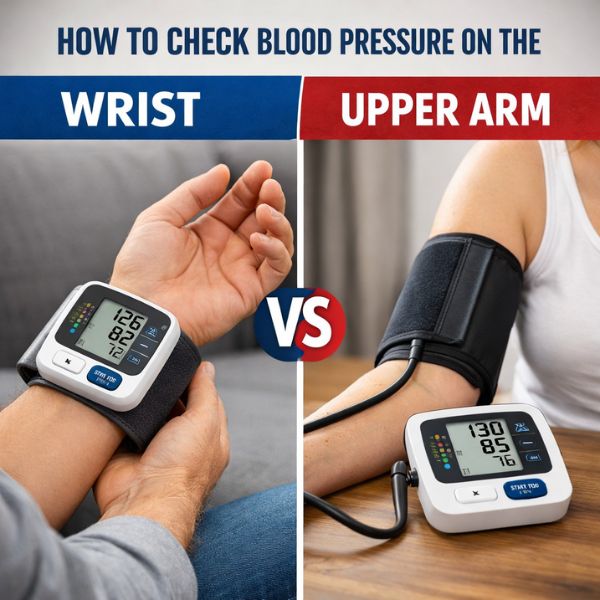
Wrist vs. Upper Arm Blood Pressure Monitors: Which Is More Accurate?
One of the most common questions people have when shopping for a blood pressure monitor is whether a wrist monitor or an upper arm monitor is the better choice. While both types measure blood pressure, there are meaningful clinical differences between them that can significantly affect your reading accuracy — and ultimately, the decisions you and your doctor make about your health.
How Upper Arm Monitors Work
Upper arm blood pressure monitors use a cuff that wraps around the brachial artery — the large artery running through your bicep — and are the standard used in clinical settings worldwide. When you visit a doctor's office, a hospital, or a pharmacy, the equipment used to measure your blood pressure is almost always upper arm-based. This method is the most extensively researched and validated approach to measuring blood pressure.
The brachial artery is closer to the heart than the arteries in the wrist, which means the pressure wave generated by each heartbeat is stronger, more consistent, and easier to measure accurately. Upper arm monitors tend to be more forgiving of minor positional errors, and many validated models are widely available across a broad price range.
Best for: Most adults, individuals with hypertension, pregnant individuals, seniors, people on blood pressure medications, and anyone seeking clinical-grade accuracy at home.
How Wrist Monitors Work
Wrist blood pressure monitors measure pressure in the radial artery — a smaller, more peripheral artery located at the wrist. Because this artery is farther from the heart and more susceptible to interference from body movement, temperature, and positioning, wrist monitors are inherently more sensitive to errors in technique.
Even a small deviation in wrist position — slightly too low, slightly angled — can cause the reading to be off by 10 to 20 mmHg or more. Research has shown that wrist monitors tend to produce higher and more variable readings compared with upper arm devices, particularly in older adults and those with cardiovascular disease.
The American Heart Association does not recommend wrist monitors for routine home blood pressure monitoring for this reason. However, they acknowledge that wrist monitors can be useful in specific situations — for example, in people with very large upper arms where finding a properly fitting upper arm cuff is difficult, or for those who simply cannot use an upper arm device comfortably.
Best for: Individuals for whom an upper arm monitor is impractical, situations where portability is a priority, and users who understand the positioning requirements and can apply them consistently.
Key Differences at a Glance
| Feature | Upper Arm Monitor | Wrist Monitor |
|---|---|---|
| Measurement site | Brachial artery | Radial artery |
| Clinical validation | Extensively validated | Limited validated models |
| Accuracy | Higher | More sensitive to position |
| Ease of use | Moderate | Very easy to put on |
| Portability | Slightly bulkier | Compact and travel-friendly |
| Recommended by AHA | Yes | Not for routine use |
| Cuff fitting issues | May be difficult for very large arms | One size fits most |
| Best user | Most adults | Those unable to use upper arm type |
The Critical Role of Positioning in Wrist Monitors
If you do choose to use a wrist monitor, positioning is everything. The most common cause of inaccurate wrist readings is holding the wrist below heart level during measurement. Unlike the upper arm monitor, where resting your arm on a table naturally brings the cuff close to heart height, a wrist monitor requires you to actively raise and hold your arm so that the monitor sits level with your heart — roughly at mid-chest height.
Many newer wrist monitors include a position indicator light or digital guide that signals when your wrist is at the correct height before taking a reading. If you use a wrist monitor, always look for this feature and wait for position confirmation before starting the measurement.
Shop Now...
What About Finger Blood Pressure Monitors?
Finger monitors are the least accurate of all three types. The digital arteries in the fingers are even smaller and more peripheral than those in the wrist, making consistent, reliable measurement difficult. Finger monitors are highly sensitive to cold temperatures, poor circulation, and minor movement. Neither the American Heart Association nor clinical guidelines recommend finger monitors for blood pressure monitoring. They are best avoided for health management purposes.
Which Monitor Should You Buy?
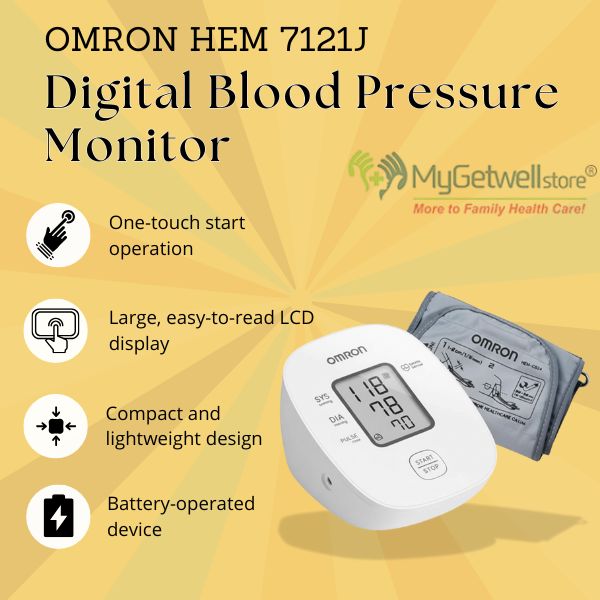
For the vast majority of people, an upper arm blood pressure monitor is the clear recommendation. It delivers the most reliable readings, most closely mirrors what healthcare providers measure in clinical settings, and is validated by independent clinical research. A quality upper arm monitor does not need to be expensive — many accurate, clinically validated options are available at accessible price points.
Choose a wrist monitor only if upper arm monitoring is genuinely not feasible for you — and if you do, select a model that has been independently validated (check validateBP.org) and that includes a position indicator to help you place your wrist correctly during each reading.
Whichever type you choose, bring your home monitor to your next doctor's appointment to compare readings side by side with the clinic's equipment. This simple step confirms your device is calibrated correctly and that you are using it as intended.
Pro Tip: If you notice a consistent gap of more than 5 mmHg between your home monitor and your doctor's office reading, bring both to your next appointment and measure simultaneously. A small difference is normal; a large and consistent gap may indicate device error, cuff sizing issues, or a technique problem worth correcting.
Shop Now...
Why Checking Your Blood Pressure Matters
Blood pressure is one of the most critical indicators of cardiovascular health — yet millions of people live with dangerously elevated levels without ever knowing it. Clinicians often call high blood pressure (hypertension) the "silent killer" because it rarely produces noticeable symptoms until serious damage has already occurred. Regularly checking your blood pressure is the only reliable way to know where you stand.
Understanding how to check blood pressure correctly, whether at a clinic or in your own home, empowers you to take a proactive role in managing your heart health, reducing the risk of heart attack, stroke, and kidney disease. This guide walks you through everything you need to know — from choosing the right monitor to interpreting your readings and knowing when to seek medical attention.
Shop Now...
What Is Blood Pressure? Understanding the Numbers
Before learning how to measure blood pressure, it helps to understand what the numbers mean. A blood pressure reading consists of two values expressed in millimeters of mercury (mmHg):
Systolic pressure is the upper number. It measures the force your blood exerts against artery walls each time your heart beats. Diastolic pressure is the lower number. It reflects the pressure in your arteries between heartbeats, when the heart is at rest.
A reading is written as systolic over diastolic — for example, 120/80 mmHg.
Blood Pressure Categories (Per American Heart Association Guidelines)
| Category | Systolic (mmHg) | Diastolic (mmHg) |
|---|---|---|
| Normal | Less than 120 | Less than 80 |
| Elevated | 120–129 | Less than 80 |
| Stage 1 Hypertension | 130–139 | 80–89 |
| Stage 2 Hypertension | 140 or higher | 90 or higher |
| Hypertensive Crisis | Higher than 180 | Higher than 120 |
A hypertensive crisis — readings above 180/120 — is a medical emergency. If you experience this alongside symptoms such as chest pain, shortness of breath, sudden numbness, or vision changes, call emergency services immediately.
Shop Now...
Who Should Monitor Blood Pressure at Home?
Home blood pressure monitoring is beneficial for a wide range of people. The American Heart Association recommends it particularly for individuals diagnosed with hypertension, those who are beginning or adjusting blood pressure medications, people with risk factors such as diabetes or obesity, and those who experience "white coat syndrome" — a phenomenon where anxiety in a clinical setting artificially elevates readings. Research suggests that as many as one in three people who test high at a doctor's office may actually have normal readings in a relaxed home environment.
Pregnant individuals should also monitor blood pressure closely, as certain types of hypertension during pregnancy can pose serious risks to both mother and baby.
Choosing the Right Blood Pressure Monitor
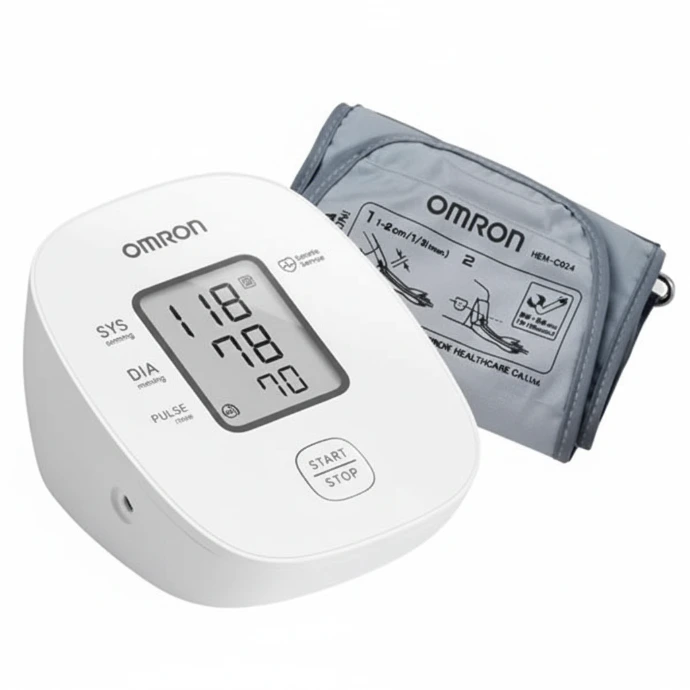
Selecting a validated, accurate device is the foundation of effective home blood pressure monitoring. The American Heart Association recommends an automatic, cuff-style monitor that measures blood pressure in the upper arm (biceps). Wrist and finger monitors are generally less accurate and are not recommended for routine use.
When choosing a monitor, look for validation against recognized clinical standards — a searchable database of validated devices is available at validateBP.org. Cuff size matters significantly: a cuff that is too small can artificially inflate your reading by several points, while one that is too large may underestimate it. Measure your arm circumference and select the appropriate cuff size accordingly.
If you are a senior, pregnant, or purchasing a monitor for a child, ensure the device is specifically validated for that population. Some monitors offer Bluetooth connectivity or memory storage that allows readings to be shared directly with a healthcare provider, which can be valuable for ongoing management.
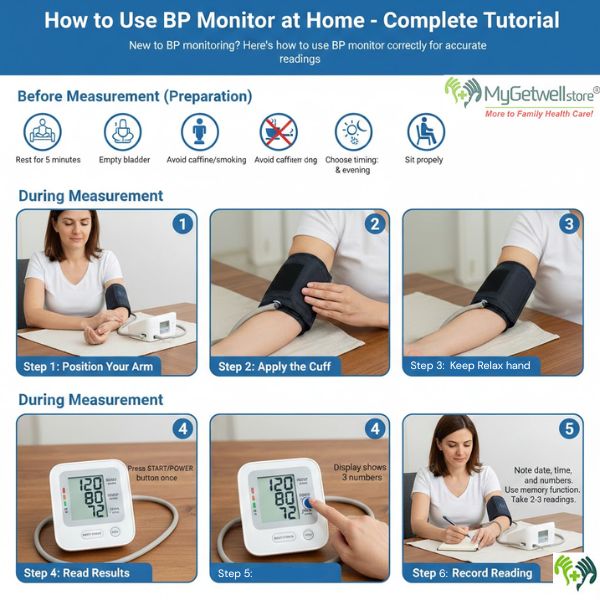
How to Check Blood Pressure at Home: Step-by-Step
The accuracy of your reading depends as much on proper technique and preparation as on the device itself. Follow these steps for a reliable measurement.
Step 1: Prepare Properly
Avoid smoking, drinking caffeinated beverages or alcohol, and vigorous exercise for at least 30 minutes before checking your blood pressure. Empty your bladder, as a full bladder can affect your reading. Find a quiet, comfortable place where you can sit undisturbed.
Step 2: Sit in the Correct Position
Sit upright in a chair with your back fully supported. Keep both feet flat on the floor with legs uncrossed. Rest your arm — slightly bent and palm facing upward — on a flat surface at approximately heart level (chest height). Do not let your arm dangle at your side.
Step 3: Apply the Cuff Correctly
Place the blood pressure cuff directly on your bare skin, never over clothing. The lower edge of the cuff should sit approximately one inch (2.5 cm) above the bend of your elbow. It should be snug — you should be able to slip two fingertips underneath — but not painfully tight.
Step 4: Rest Before Measuring
Sit quietly for at least five minutes before pressing the start button. Do not talk, check your phone, or move during this rest period or during the measurement itself. Even a brief conversation can raise your reading.
Step 5: Take the Reading
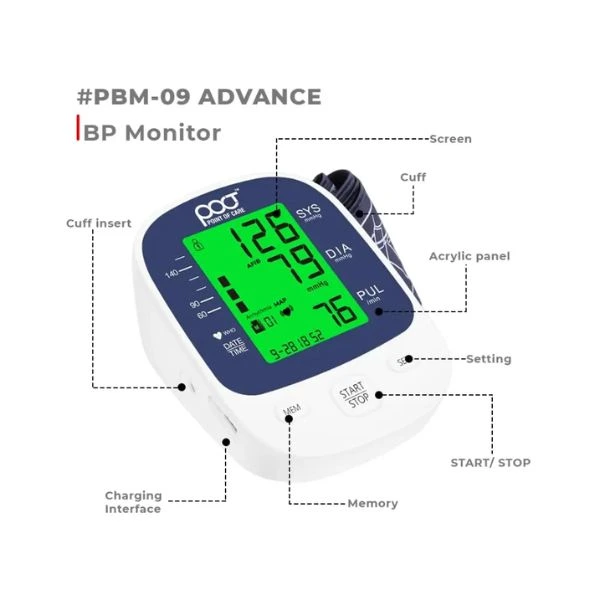
Press the start button on your automatic monitor. The cuff will inflate and then gradually deflate. The device will display your systolic pressure, diastolic pressure, and usually your pulse rate. For most automatic monitors, the entire process takes under a minute.
Step 6: Record and Repeat
Take at least two readings, spaced one to two minutes apart, and record both results along with the date and time. If the readings differ significantly, take a third and average the results. Note any relevant circumstances — such as recent physical activity, a stressful event, or whether you took medication before the reading — as these can help your healthcare provider interpret your results accurately.
Use the same arm each time you take your blood pressure, and try to measure at the same time of day. Blood pressure follows a natural daily rhythm: it tends to be highest in the morning and lowest during sleep, so consistent timing produces more comparable data over time.
How to Read a Blood Pressure Reading: What Your Numbers Mean
Once you have your numbers, understanding what they indicate helps you determine whether action is needed. A reading below 120/80 mmHg is considered normal. If your readings consistently fall in the elevated range (120–129 systolic) or cross into Stage 1 hypertension (130/80 or above), it is worth discussing the results with your doctor.
A single high reading is not cause for immediate alarm — blood pressure fluctuates throughout the day in response to stress, activity, diet, and other factors. What matters is the pattern over time. Healthcare professionals typically look at averages across multiple readings taken over days or weeks before making clinical decisions.
If your readings are consistently above 140/90, your doctor may recommend lifestyle changes, medication, or both.
Shop Now...
Common Mistakes That Lead to Inaccurate Blood Pressure Readings
Even with the right equipment, errors in technique are surprisingly common and can distort results significantly. Taking a reading over clothing rather than directly on the skin can add 5 to 50 points to your systolic reading. Crossing your legs while measuring raises blood pressure. Allowing your arm to hang unsupported rather than resting it at heart level also skews results. Talking or moving during the measurement introduces additional error.
Other factors that can temporarily raise blood pressure include a full bladder, recent caffeine or alcohol intake, emotional stress, pain, cold temperatures, and certain medications such as NSAIDs (over-the-counter pain relievers like ibuprofen) and common decongestants.
When and How Often Should You Check Blood Pressure?
For most people managing or monitoring hypertension, healthcare providers recommend checking blood pressure twice in the morning and twice in the evening over the course of a week — particularly in the period before a scheduled appointment. This pattern gives your doctor a meaningful dataset that reflects real-world readings rather than a snapshot taken in a clinical setting.
People whose readings are consistently normal may only need to check every six months. Those on blood pressure medications or undergoing treatment changes may need more frequent monitoring. Always follow your healthcare provider's specific guidance on frequency.
A useful habit is to keep a blood pressure log — many digital monitors store readings automatically, and some can sync data to a smartphone app or directly to your provider's system.
Checking Blood Pressure Without a Machine
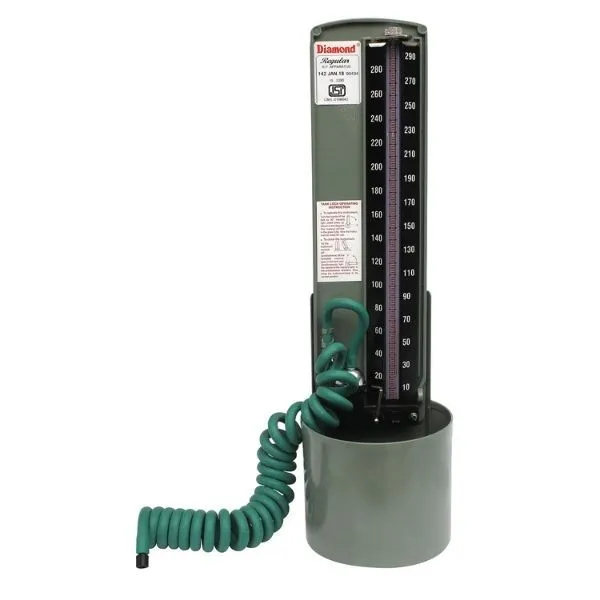
While it is possible to take a blood pressure reading manually using a sphygmomanometer (the traditional cuff-and-bulb device) and a stethoscope, this method requires considerable skill and practice. During a manual reading, you listen for the first pulse sound (Korotkoff sound) as you slowly deflate the cuff — that moment marks the systolic pressure. When the sound disappears, that is the diastolic reading.
For most people at home, a validated automatic monitor is far more practical and just as accurate when used correctly. Manual measurement is best left to trained healthcare professionals or those who have received specific instruction.
Maintaining Your Blood Pressure Monitor
A blood pressure monitor is only as reliable as its calibration. Take your home device to your healthcare provider's office at least once a year to compare its readings with the clinical equipment and ensure accuracy. If you have purchased a new monitor, bring it to your next appointment so your provider can verify you are using it correctly and confirm the readings align.
Check the batteries regularly, store the device properly according to the manufacturer's instructions, and ensure the cuff fabric remains clean and undamaged.
Lifestyle Factors That Affect Blood Pressure
Monitoring is only one part of the picture. Sustainable blood pressure management involves understanding the factors that raise or lower it. Regular physical activity, a diet rich in fruits, vegetables, and low-sodium foods, limiting alcohol, avoiding smoking, managing stress, and maintaining a healthy weight are all clinically supported strategies for keeping blood pressure in a healthy range.
If lifestyle changes are insufficient, your doctor may prescribe blood pressure-lowering medication. Never stop or adjust medication based solely on your home readings without consulting your provider first.
When to Seek Medical Attention
Contact your healthcare provider promptly if your home readings consistently show a systolic pressure of 130 or higher or a diastolic pressure of 80 or above. If you record a reading above 180/120 without symptoms, call your doctor immediately.
Call emergency services (911) right away if blood pressure exceeds 180/120 and is accompanied by any of the following: chest pain, difficulty breathing, back pain, severe headache, sudden numbness or weakness, or sudden changes in vision or speech. These are signs of a hypertensive emergency requiring immediate care.
Final Thoughts
Learning how to check blood pressure accurately at home is one of the most straightforward and impactful steps you can take for your long-term health. With a validated upper-arm monitor, consistent technique, and a clear understanding of what your readings mean, you gain meaningful insight into your cardiovascular health that no single clinic visit can fully provide.
If you have questions about blood pressure monitoring or need guidance on choosing the right monitor, consult your healthcare provider. And if you are looking for quality blood pressure monitors and wellness tools to support your health journey, explore the resources available at GetWell Store.
This article is intended for informational and educational purposes only. It does not constitute medical advice. Always consult a qualified healthcare professional for diagnosis, treatment, or personalized health guidance.
👉 “Explore our supportive recovery products”
👉“Shop supportive wellness products for daily comfort”
FAQ
Q1: Is a wrist blood pressure monitor accurate?
Wrist BP monitors can be accurate when positioned correctly at heart level. However, they are more sensitive to movement and posture compared to upper arm monitors.
Q2: Which blood pressure monitor is best for home use?
Most doctors recommend an upper arm blood pressure monitor for home use due to better consistency and ease of correct positioning.
Q3: Why does my home BP reading differ from the doctor’s?
Differences may occur due to stress, posture, time of day, or single-reading measurements in clinics versus trend-based home readings.
Q4: How often should I check my blood pressure?
Many people monitor once daily or a few times per week, unless advised otherwise by a healthcare professional.
Q5: Are digital BP machines better than manual ones?
For home use, digital BP machines are generally easier, safer, and more practical than manual devices requiring training.
CONCLUSION
Choosing between a wrist and upper arm BP monitor doesn’t have to be confusing. The key is understanding how blood pressure is measured, using the device correctly, and focusing on long-term trends rather than one-time numbers.
When paired with mindful lifestyle habits and consistent monitoring, a reliable BP machine becomes a powerful wellness tool—not a source of stress.
Ready to take the next step toward better daily health awareness?
Explore supportive wellness solutions and home health essentials at MyGetWellStore.com—designed to help you care for your body with confidence.
&c4=o-color-4&c5=o-color-5)
Easy returns with quick
and simple process
Free 7-day returns with quick refundsor easy exchanges and no stress.
&c4=o-color-4&c5=o-color-5)
Secure payment
with trusted methods
Your information is protected with encryptedcheckout and trusted payment methods.
&c2=rgba(0,0,0,.5)&c4=o-color-4&c5=o-color-5)
Quality assured
with every purchase
Every product is carefully tested to meethigh standards of durability and performance.