Description:
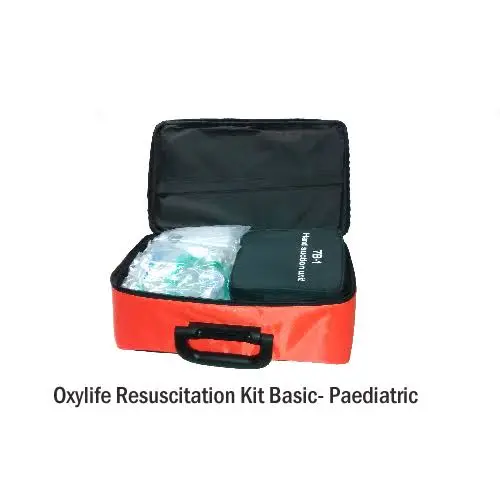
The Oxylife Resuscitation Kit Basic – Paediatric is thoughtfully assembled for emergency preparedness and support situations where controlled oxygen delivery components may be required. This non-powered kit is designed to be portable, durable, and easy to store, making it suitable for clinics, ambulances, schools, and emergency care environments.
The kit includes pediatric-sized components engineered to support compatibility with manual resuscitation workflows when used by trained individuals. Its lightweight construction allows quick access during time-sensitive situations without reliance on electricity or batteries.
Oxylife kits are recognized for their consistent build quality and medical-grade materials, aligning with industry standards for emergency oxygen accessories. This product is not intended to diagnose, treat, or cure any condition and should only be used according to trained protocols and institutional guidelines.
Technical Features
- Pediatric-compatible resuscitation components
- Lightweight, portable emergency kit
- Non-powered design (no electricity required)
- Durable medical-grade construction
- Compact storage-friendly case
- Suitable for professional emergency preparedness environments
Usage Instructions
Store the kit in a clean, dry, and easily accessible location
Use only by individuals trained in emergency response procedures
Ensure all components are intact before use
Follow institution-approved basic life support protocols
Clean or replace accessories after single-patient use, as applicable
Safety Disclaimer
This product is intended for emergency preparedness and professional use only.
It does not diagnose, treat, prevent, or cure any medical condition.
Use only by individuals trained in resuscitation or emergency response procedures.
Always follow applicable local regulations and institutional guidelines.
Frequently Asked Questions (FAQs)
1. What is the Oxylife Pediatric Resuscitation Kit Basic used for?
The Oxylife Pediatric Resuscitation Kit Basic is used to provide emergency oxygen and assisted ventilation to infants and children during breathing distress, respiratory failure, or cardiac emergencies. It helps deliver controlled oxygen flow and manual ventilation until advanced medical care is available.
2. Who should use a pediatric resuscitation kit?
A pediatric resuscitation kit should be used by trained healthcare professionals, paramedics, emergency responders, and hospital staff. It is commonly used in ambulances, clinics, hospitals, and emergency care settings for children and infants.
3. What does a pediatric resuscitation kit typically include?
A basic pediatric resuscitation kit generally includes a pediatric-sized oxygen mask, bag valve mask (Ambu bag), oxygen tubing, oxygen reservoir bag, and connectors. Some kits may also include airways and pressure relief valves designed for children.
4. Is the Oxylife Pediatric Resuscitation Kit suitable for home use?
This kit is primarily designed for medical and emergency settings. However, it may be used at home under medical supervision, especially for children with chronic respiratory conditions. Always use it only if trained by a healthcare professional.
5. What age group is the pediatric resuscitation kit designed for?
The pediatric resuscitation kit is specifically designed for infants and children, typically from newborn up to 12 years of age. The mask size and bag volume are optimized for smaller lung capacity.
6. How does a pediatric bag valve mask (BVM) work?
A pediatric bag valve mask works by manually squeezing the self-inflating bag to push oxygen into the child’s lungs through a fitted mask. When released, the bag refills automatically, allowing repeated assisted breaths.
7. Can this kit be connected to an oxygen cylinder?
Yes, the Oxylife Pediatric Resuscitation Kit can be connected to a medical oxygen cylinder using oxygen tubing. This ensures high-concentration oxygen delivery during emergency ventilation.
8. Is the pediatric resuscitation kit reusable?
Most pediatric resuscitation kits include reusable components made from medical-grade materials. However, masks and certain accessories may be disposable depending on the model. Always follow manufacturer cleaning and sterilization guidelines.
9. When should pediatric resuscitation be performed?
Pediatric resuscitation should be performed when a child is not breathing properly, has severe breathing difficulty, or is in cardiac arrest. Immediate action improves survival chances before advanced medical treatment begins.
10. Why is a pediatric-specific resuscitation kit important?
Children have smaller lungs and different airway anatomy compared to adults. A pediatric-specific kit ensures safe oxygen pressure, proper mask fit, and appropriate ventilation volume, reducing the risk of lung injury.
👉 “Complete your oxygen setup with these essentials.”
Alternative Products
These other products might interest you