
INTRODUCTION
Living with a hernia can quietly disrupt your everyday life. Simple actions—standing, walking, coughing, or even getting out of bed—may feel uncomfortable or stressful. Many people delay seeking solutions because surgery feels intimidating or because they’re unsure what actually helps. If that sounds familiar, you’re not alone.
A hernia belt is one of the most commonly searched non-invasive support options for people managing hernia-related discomfort. Whether you’re newly diagnosed, waiting for surgery, or simply looking for added daily support, understanding how a hernia belt works can help you make an informed choice.
In this guide, you’ll learn the top 5 benefits of the UM Hernia Belt for men and women, how to wear it safely, and when it may be helpful—or not. We’ll also answer common questions like “Do hernia belts really work?” and “Are hernia belts safe?” so you can move forward with confidence. This article is written to support—not replace—medical advice, giving you practical, research-backed clarity for everyday living.
What Is a Hernia Belt? Understanding Hernia Support
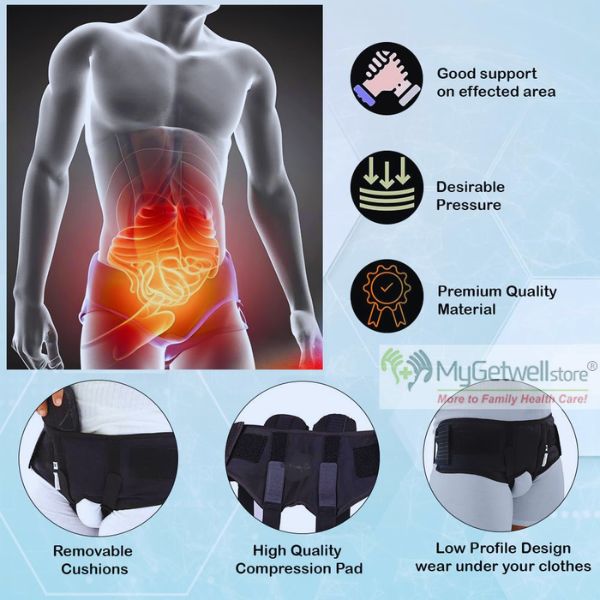
A hernia belt—sometimes called a truss (the truss hernia full form refers to a supportive orthopedic device)—is a wearable support designed to apply gentle, targeted pressure to the affected area. This pressure may help keep the hernia from protruding outward during daily movement.
Modern hernia belts are adjustable, discreet, and designed for both men and women. Options like the UM Hernia Belt focus on comfort-first design, allowing breathability and flexibility for extended wear. Unlike DIY solutions or advice on how to make a hernia belt at home, professionally designed belts are engineered for even pressure distribution and skin safety.
While a belt does not fix a hernia permanently, many people find it offers practical support during routine activities, travel, or recovery periods. Think of it as a supportive companion—not a cure—used alongside medical guidance.
Shop Now...
Signs and Symptoms Where a Hernia Belt May Help
Hernias often present gradually. Common signs include a visible bulge, discomfort when lifting, or pressure that worsens after standing for long periods. You might notice relief when lying down, but symptoms return with movement.
A hernia belt may be useful if you experience:
Mild to moderate discomfort during activity
A reducible hernia (one that goes back in when lying down)
Temporary strain from work or daily chores
People often ask, “When should a hernia belt be worn?” Typically, it’s used during activities that increase abdominal pressure—walking, standing, or light work. It’s not meant for constant, unsupervised use, especially if pain increases.
If you’re wondering when to worry about hernia pain, sudden sharp pain, redness, nausea, or vomiting require immediate medical attention—no belt should be used in those cases.
Natural Causes and Root Reasons for Hernia Development
Understanding causes builds trust and clarity. Hernias don’t happen overnight. The three main causes of a hernia often include:
Weak abdominal muscles (congenital or age-related)
Increased pressure from heavy lifting, coughing, or obesity
Previous surgery or injury
Lifestyle factors like chronic constipation, smoking, and poor core strength may also contribute. While many search for “Can you fix a hernia naturally?”, it’s important to know that natural methods may help manage symptoms but do not reverse the condition.
This is where supportive tools—like a hernia belt—fit into a broader lifestyle approach rather than acting as a standalone solution.
Science-Backed Support: Do Hernia Belts Really Work?
A common question is: Do doctors recommend hernia belts? Medical professionals may suggest them in specific situations—such as pre-surgery support, post-surgery recovery (with approval), or when surgery must be delayed.
Research referenced by sources like PubMed and Healthline suggests that hernia belts may help reduce discomfort by limiting hernia protrusion during movement. However, they emphasize correct fit and limited wear.
Key points:
Belts may help with symptom management
They do not cure or permanently fix a hernia
Improper use can cause discomfort
This answers another frequent concern: are hernia belts safe? Yes—when used correctly and under guidance.
Shop Now...
Top 5 Benefits of the UM Hernia Belt for Men and Women
1. Targeted Support Without Restricting Movement
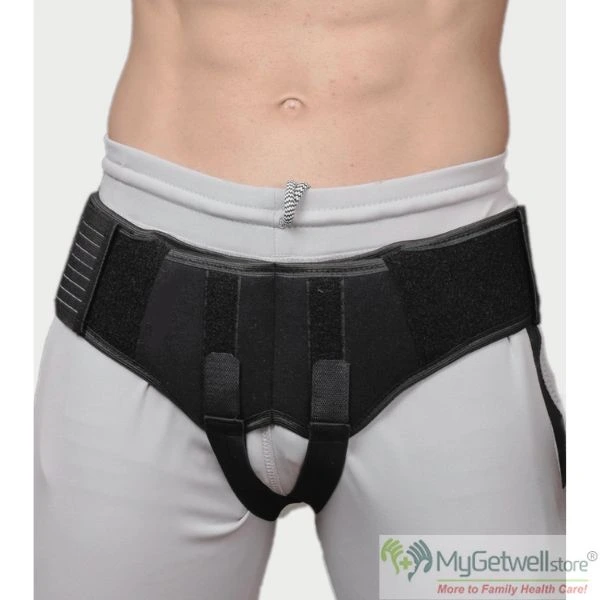
The UM Hernia Belt is designed to apply focused pressure while allowing natural movement, making it suitable for daily routines.
2. Adjustable Fit for Men and Women
Whether you’re looking for a hernia belt for female comfort or the best inguinal hernia belt for male support, adjustability ensures personalized fit.
3. May Help Reduce Daily Discomfort
Many users find that wearing a belt helps them stay active with less awareness of the hernia during walking or standing.
4. Useful Before or After Surgery (With Approval)
If you’re asking, “Should I wear a hernia belt after surgery?”, the answer depends on your doctor’s advice. Some people use it short-term during recovery.
5. Discreet, Breathable Design
Modern materials make it easier to wear under clothing without irritation—important for extended use.
You can explore the UM Hernia Belt using natural anchor text like “supportive hernia belt option” on MyGetWellStore.com.
How to Use a Hernia Belt Safely and Correctly
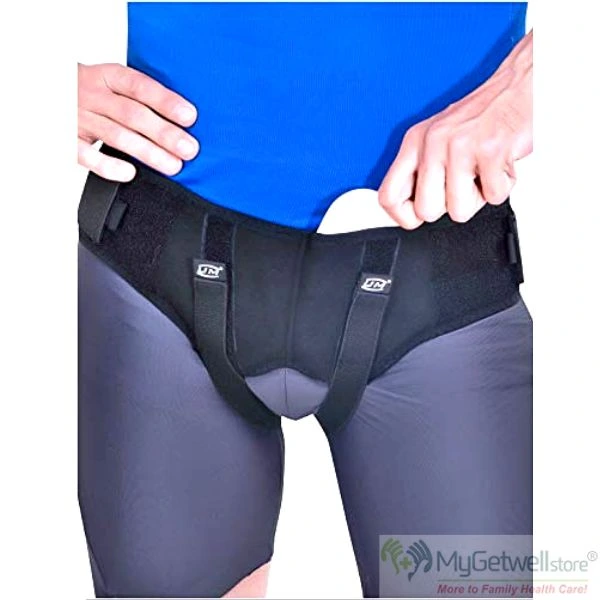
People often ask how tight should a hernia belt be or how to wear inguinal hernia belt properly. The belt should feel supportive—not painful or restrictive.
Basic guidelines:
Wear it while standing, not lying down
Ensure gentle pressure, no numbness
Remove during rest unless advised
Questions like “Can I wear a hernia belt to bed?” or “Is it okay to sleep in a hernia belt?” usually lean toward no, unless specifically recommended by a healthcare professional.
Lifestyle Tips & Best Practices to Support Hernia Care
Beyond belts, lifestyle habits matter. If you’re wondering how to stop hernia from growing, consider:
Avoid heavy lifting
Maintain healthy weight
Improve posture and core strength
Eat fiber-rich foods to reduce straining
Searches like “What foods shrink a hernia?” or “Is castor oil good for hernia?” often come up, but evidence is limited. Nutrition and home remedies may support digestion—not repair the hernia itself.
Shop Now...
When to See a Doctor (Very Important)
A hernia belt is supportive—not a substitute for care. Seek medical advice if:
Pain increases suddenly
The bulge becomes hard or discolored
You experience nausea or fever
If you’re asking “What is the best treatment for hernia?”, surgery remains the only permanent solution. A belt may help you live normally with a hernia while planning next steps—but professional evaluation is essential.
👉Learn about daily mobility support products
👉Read our guide on abdominal support & recovery tips
FAQ
Q1. Do hernia belts really work?
Hernia belts may help manage discomfort by providing gentle support during movement. They do not cure a hernia but can be useful for symptom relief when used correctly.
Q2. Can a hernia belt fix a hernia permanently?
No. A hernia belt cannot permanently fix a hernia. Surgery is the only definitive treatment, but belts may offer temporary support.
Q3. When should a hernia belt be worn?
It’s typically worn during activities that increase abdominal pressure, such as walking or standing, and removed during rest unless advised.
Q4. Are there disadvantages of a hernia belt?
Improper fit or overuse may cause discomfort or skin irritation. Always follow guidance on duration and tightness.
Q5. Can I live normally with a hernia using a belt?
Many people continue daily activities with added support from a belt, but regular medical follow-up is essential.
CONCLUSION
Managing a hernia can feel overwhelming, but the right knowledge makes all the difference. A hernia belt may offer practical, day-to-day support by helping reduce discomfort and allowing you to move with greater confidence. While it’s not a cure, it can be a helpful part of a broader, doctor-informed care plan.
If you’re looking for a thoughtfully designed, adjustable option for men and women, the UM Hernia Belt is worth exploring. Ready to take the first step toward better comfort and informed wellness choices? Explore supportive health solutions at MyGetWellStore.com and find what works best for your body and lifestyle.