
The Evolving Healthcare Landscape in Nagpur
Nagpur, often recognized as the commercial and geographical heart of Central India, is rapidly transforming into a major medical hub. Serving not only its growing urban population but also thousands of patients daily from across Vidarbha, Madhya Pradesh, and Chhattisgarh, the city offers tremendous opportunity for healthcare professionals. Areas like Dhantoli and Ramdaspeth have long been established healthcare pockets, but newer residential and commercial corridors such as Besa, Manish Nagar, Koradi Road, and Wardha Road are seeing an unprecedented surge in demand for neighbourhood outpatient clinics and family healthcare centers.
Starting a new medical practice, however, involves much more than finding a location and placing a desk. A structured, compliant, and well-equipped practice forms the backbone of quality patient outcomes. Whether you are a general physician, pediatrician, gynecologist, or specialist, following a comprehensive Clinic Setup Guide ensures that your practice meets local statutory regulations, infection control standards, and patient expectations from day one.
1. Navigating Legal and Regulatory Approvals in Nagpur
Before procuring equipment or finalizing lease agreements, you must ensure compliance with statutory local and state regulations. In Maharashtra, clinic compliance involves multiple regulatory bodies.
- Nagpur Municipal Corporation (NMC) Registration: Clinics operating within city limits must obtain a Shop and Establishment license or specific local body clearance from the NMC health department.
- Maharashtra Nursing Homes Registration Act: If your small clinic includes day-care beds, minor procedure rooms, or observation beds, registration under this act is mandatory. Pure consultation OPD clinics must check updated NMC directives for standalone consultation spaces.
- Bio-Medical Waste (BMW) Management Authorization: Compliance with the Bio-Medical Waste Management Rules is strictly enforced. You must register with an authorized common bio-medical waste treatment facility (CBWTF) approved by the Maharashtra Pollution Control Board (MPCB) in the Nagpur region for regular collection and disposal of medical waste.
- Fire Safety NOC: Depending on the commercial building and floor plan, obtaining a Fire Safety Clearance from the Nagpur Fire Brigade is required, especially for facilities with indoor patient movement or high-power diagnostic equipment.
- PNDT and AERB Clearances: If your clinic setup includes ultrasound equipment or diagnostic X-ray units, mandatory registration under the PC-PNDT Act and approval from the Atomic Energy Regulatory Board (AERB) via the e-LORA portal are non-negotiable.
2. Space Layout and Infrastructure Planning
A well-planned clinic layout maximizes patient flow, reduces cross-contamination risks, and ensures privacy. For a typical small consultation clinic in Nagpur spanning between 300 to 800 square feet, the interior layout should be logically zoned into distinct areas.
Reception and Waiting Area
This is the first touchpoint for your patients. Ensure adequate seating for 8 to 12 people, proper ventilation, and air conditioning—crucial for Nagpur's hot summer months. Include a dedicated reception counter equipped with computer terminals, billing software, and physical file storage.
Consultation Room
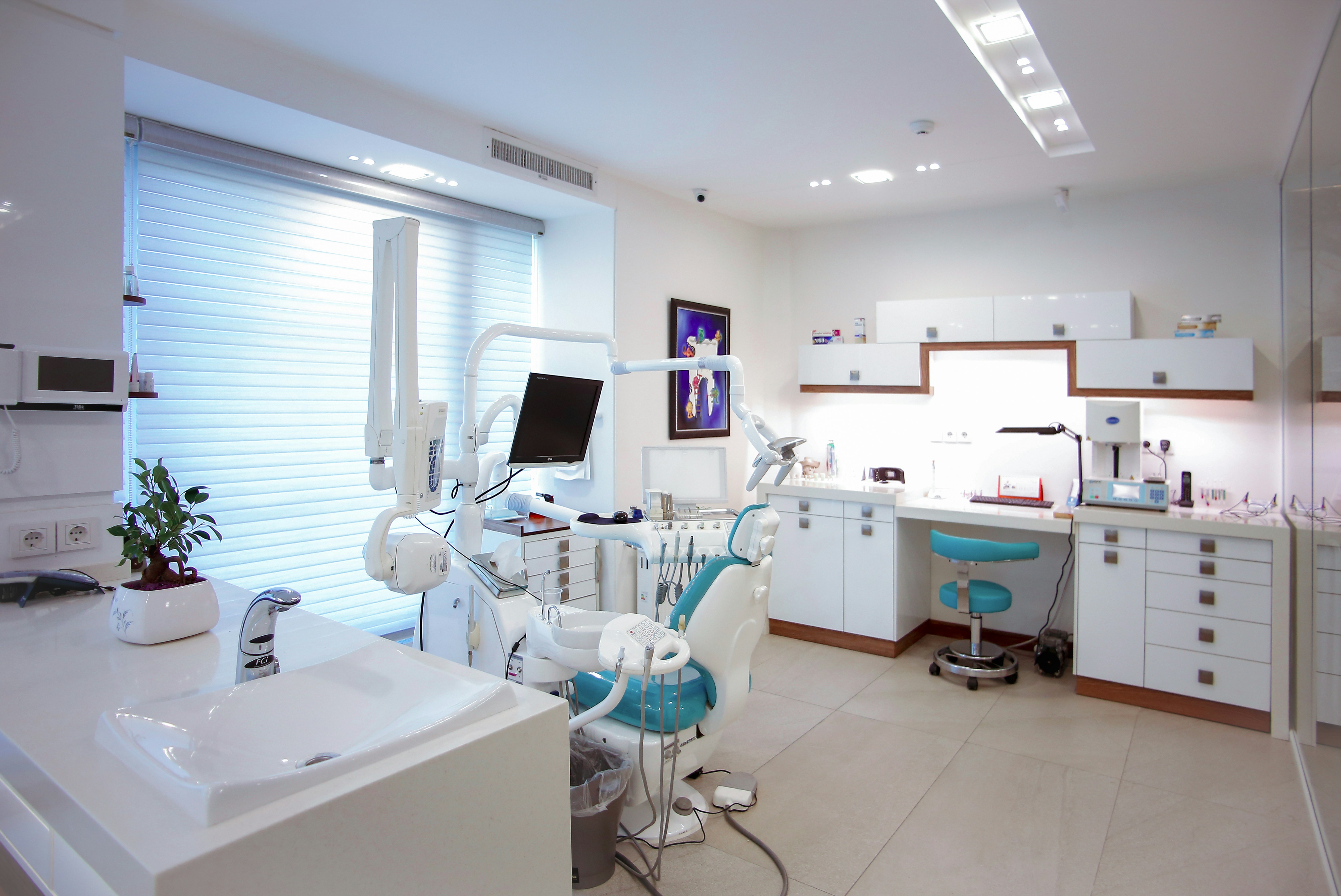
The doctor's consultation room should offer complete visual and auditory privacy. It needs sufficient space for a practitioner desk, patient seating, an examination couch with step stools, a handwashing station with sensor or elbow-operated taps, and diagnostic equipment displays.
Examination and Minor Procedure Room
If your practice involves minor clinical procedures, dressing, or vaccinations, separate this area from the primary consultation desk. It should feature cleanable, non-porous anti-bacterial flooring, adequate shadowless task lighting, and immediate access to sterilization tools and medical consumables.
3. Essential Medical Equipment Checklist for Small Clinics
Equipping your facility with precise, reliable, and durable medical devices is fundamental to clinical diagnostic accuracy. Below is a foundational equipment checklist customized for small primary care and specialty clinics.
A. Primary Diagnostic Tools
- Aneroid or Digital Sphygmomanometers: High-accuracy wall-mounted or tabletop blood pressure monitors.
- Clinical Stethoscopes: Acoustic or electronic stethoscopes suitable for adult and pediatric evaluation.
- Pulse Oximeters & Thermometers: Fingertip pulse oximeters and non-contact infrared or digital clinical thermometers.
- Diagnostic Sets: Otoscopes, ophthalmoscopes, and digital penlights for routine ENT and physical examinations.
- ECG Machine: A portable 3-channel or 12-channel ECG machine for immediate cardiac screening during consultations.
B. Patient Care & Examination Furniture
- Two-section Examination Couch: Cushioned, easy-to-sanitize examination beds with adjustable headrests.
- IV Stands and Step Stools: Heavy-duty stainless steel IV poles and anti-skid double step stools.
- Privacy Screens: Three-fold stainless steel ward screens for patient modesty during physical exams.
- Doctor Chair & Ergonomic Patient Seating: High-durability furniture designed for long clinical hours.
C. Emergency Response Equipment
Even small outpatient clinics must be prepared for acute medical emergencies prior to transferring patients to tertiary hospitals.
- Medical Oxygen Cylinder / Concentrator: A certified 10-liter oxygen cylinder or continuous-flow medical oxygen concentrator with flowmeter and humidifier bottle.
- Resuscitation Kit: Adult and pediatric ambu bags, airway adjuncts, and suction apparatus.
- Emergency Crash Cart / Drug Tray: Emergency medicines tray equipped with essential life-saving drugs, syringes, and IV cannulas.
- Automated External Defibrillator (AED): Highly recommended for clinics handling high patient volumes or cardiac risk demographics.
4. Hospital Setup vs. Small Clinic Setup: Scaling Smartly
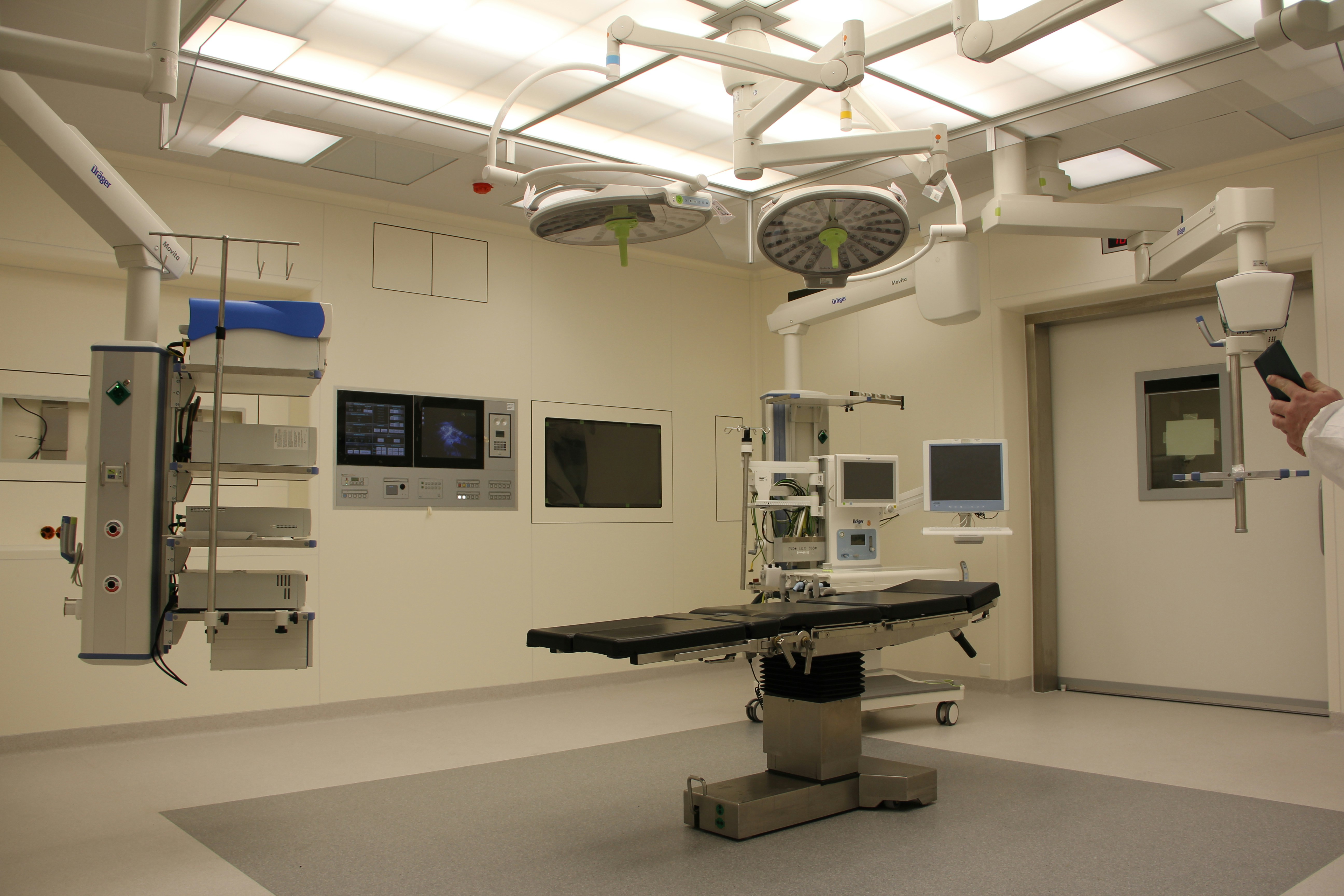
When planning your facility, it helps to understand the scope difference between a full-scale hospital setup and a community clinic setup. A hospital setup demands extensive capital expenditure, multi-floor fire exits, dedicated intensive care units, central sterile supply departments (CSSD), and continuous multi-shift nursing staff. In contrast, a small clinic focuses on high efficiency, low overheads, and rapid outpatient turnaround.
However, adopting modular infrastructure during your initial clinic setup allows seamless expansion in the future. Purchasing multi-parameter patient monitors, digital diagnostic devices, and expandable medical carts ensures that as your practice grows into a day-care facility or multi-specialty polyclinic, your primary equipment investments remain fully usable.
5. Hygiene, Sterilization, and Waste Disposal Infrastructure
Adhering to strict infection control protocols established by the Indian Council of Medical Research (ICMR) and the World Health Organization (WHO) builds patient trust and ensures biological safety.
- Autoclaves and Sterilizers: A front-loading Class B or vertical steam autoclave is essential for sterilizing surgical instruments, dressing sets, and reusable equipment.
- UV Disinfection Lights: Installing wall-mounted upper-room ultraviolet germicidal irradiation (UVGI) lamps or portable UV disinfection systems helps keep consultation rooms air-sanitized.
- Color-Coded Bio-Medical Waste Bins: Strict implementation of yellow (anatomical/soiled waste), red (contaminated recyclable plastic), white (sharps), and blue (glassware/cytotoxic) waste containers with foot-pedal operation.
- Hand Hygiene Stations: Wall-mounted elbow-operated alcohol rub dispensers placed at the entrance, consultation desk, and procedure tables.
6. Digitalization and Operational Efficiency
Modern clinics in Nagpur must embrace digital workflows to remain competitive and deliver seamless patient care. Integrating simple technology solutions improves operational speed and diagnostic tracking:
- Electronic Medical Record (EMR) Software: Cloud-based EMR systems configured for Indian healthcare practices enable quick prescription writing, digital health record management, and WhatsApp billing reminders.
- Digital Payment Integration: Dual-display UPI QR codes and POS machines for card transactions streamline billing at the reception desk.
- Teleconsultation Readiness: High-definition web cameras and digital diagnostic tools facilitate follow-up virtual appointments for outstation patients visiting from neighboring Vidarbha towns.
7. Sourcing Equipment from Reliable Local B2B Partners
Procuring medical equipment directly from trusted regional B2B healthcare suppliers like Bajaj Life Care provides distinct operational advantages. Local suppliers offer hands-on demonstration, physical calibration support, transparent product warranties, and prompt on-site engineering service in Nagpur—eliminating costly clinical downtime compared to unverified online distributors.
Conclusion
Establishing a successful small clinic in Nagpur requires balancing local statutory compliance, smart space utilization, robust hygiene standards, and precision medical equipment. By following a structured Clinic Setup Guide and partnering with verified medical equipment manufacturers and suppliers, healthcare professionals can build a safe, patient-centric, and commercially viable practice that serves the community for decades.
Disclaimer: This article is intended solely for general educational and informational purposes. Healthcare practitioners and entrepreneurs planning a clinic or hospital setup in Nagpur must consult the Nagpur Municipal Corporation (NMC), Maharashtra Pollution Control Board (MPCB), and qualified legal/medical regulatory advisors to ensure compliance with current local laws and clinical guidelines.