
Winter often brings a noticeable shift in daily routines. From shorter daylight hours to cooler temperatures, people naturally adjust how they care for their wellbeing. Over the years, observing households and home wellness practices, I’ve noticed several common routines that many adopt to maintain comfort, energy, and general health during this season. This article aims to explore these routines from a practical perspective, without medical claims, focusing on awareness and at-home support.
1. Temperature and Humidity Management
A common observation in many households is the adjustment of indoor climate.
Warm, stable temperatures: Many people maintain slightly warmer indoor environments to avoid discomfort and reduce the strain cold air can place on the body. Electric heaters, central heating systems, or simple layering of clothing are frequently used for this purpose.
Humidity awareness: Dry indoor air, often a byproduct of heating, is widely overlooked. People commonly use humidifiers or simple water trays near heat sources to maintain comfortable humidity levels. Proper humidity can help reduce skin dryness, nasal irritation, and respiratory discomfort.
Shop Now...

2. Hydration and Nutrition Habits
It’s easy to underestimate hydration during colder months. I’ve often noticed that households unintentionally reduce water intake in winter. To counter this:
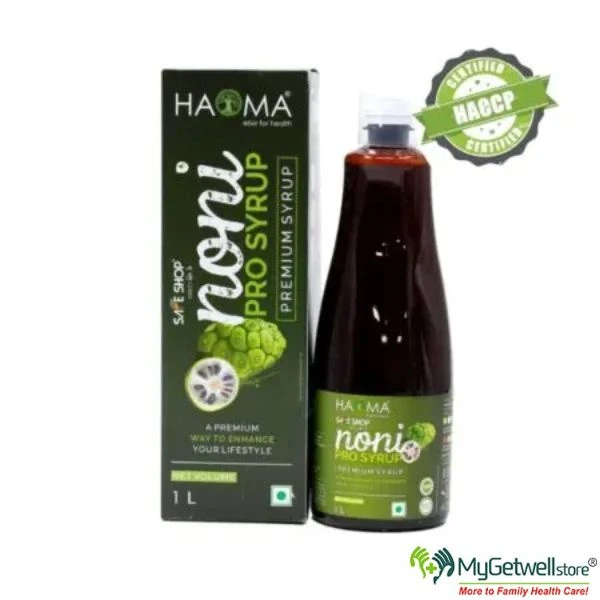
Warm beverages like herbal teas or water with mild infusions are commonly consumed. These contribute to overall hydration and comfort without relying on high-sugar options.
Meals often shift toward seasonal vegetables, soups, and stews. While not a medical prescription, people report that these choices help maintain a sense of fullness and warmth.
Shop Now...
3. Movement and Physical Activity
With shorter days and colder weather, physical activity can decrease. Observing households, I’ve seen several strategies to maintain movement at home:
Indoor stretching or light exercises: Yoga, resistance bands, or bodyweight exercises are commonly used for general mobility and circulation.
Routine walking indoors or in safe outdoor spaces: Many families use short walks around their homes or nearby areas to keep activity levels steady.
Shop Now...

4. Monitoring and Self-Check Practices
While winter doesn’t require intensive monitoring, some people adopt simple at-home wellness checks. I’ve observed that households often use:
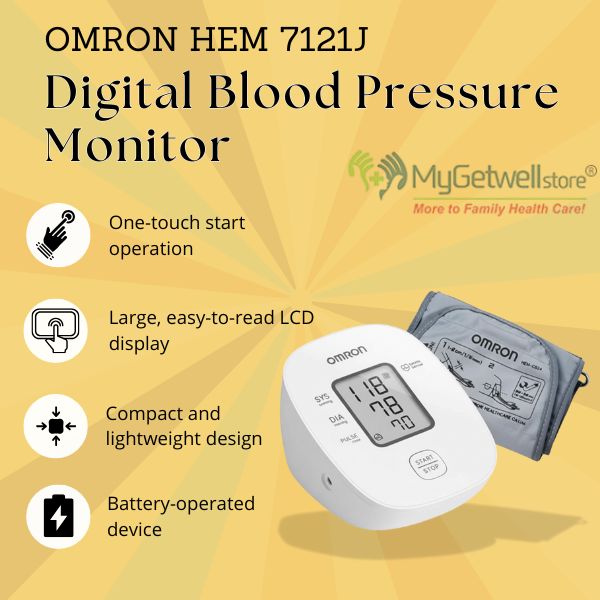
Thermometers or home blood pressure monitors: Commonly used for general awareness, especially for those tracking personal wellness over time.
Daily routine journaling: Noting energy levels, sleep patterns, or mild seasonal discomfort can help identify patterns and encourage lifestyle adjustments.
These tools are commonly used for awareness, not diagnosis. People often track patterns such as sleep quality, energy levels, or general comfort over time.
Shop Now...
5. Rest, Sleep, and Relaxation
Cooler months naturally shift circadian rhythms for many. Observations indicate that households often emphasize:
Consistent sleep schedules: Going to bed and waking at similar times to maintain routine.
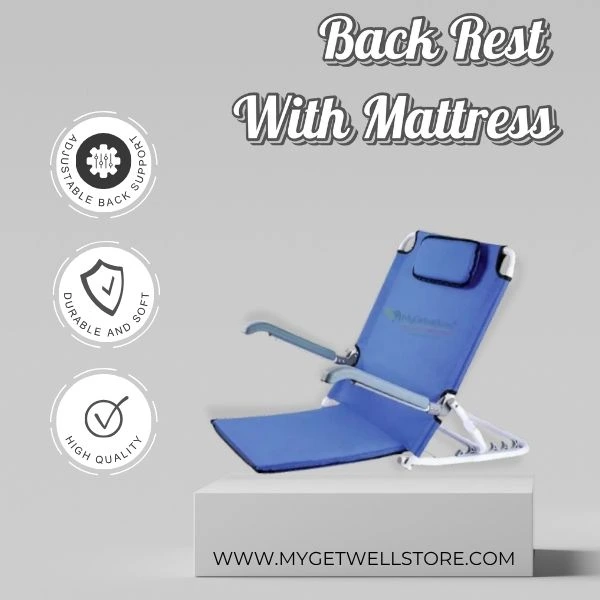
Comfort-focused environments: Extra blankets, warmer rooms, and low-light routines in the evening help support restful sleep.
Why routines matter:
Consistent sleep patterns help maintain daily rhythm and overall wellbeing. Comfort-focused sleep environments are a natural winter adaptation in many homes.
Shop Now...
Conclusion
Winter wellness routines vary across households, but certain patterns consistently appear: temperature and humidity management, mindful hydration and nutrition, indoor movement, simple monitoring, and attention to rest. These practices are designed for general home wellness support and can provide a structured approach to navigating the colder months.
&c4=o-color-4&c5=o-color-5)
Easy returns
Free 30-day returns with quick refunds or easy exchanges and no stress.&c2=rgba(0,0,0,.5)&c4=o-color-4&c5=o-color-5)
COD available on
COD is available under total value of 2000 Rs&c4=o-color-4&c5=o-color-5)
Secure payment
Your information is protected with encrypted checkout and trusted payment methods.&c2=rgba(0,0,0,.5)&c4=o-color-4&c5=o-color-5)